The US has extended the allowance for certain countries to buy Russian oil and petroleum that is already on ships, giving them a bit of a break from the sanctions until May and is to help with the possibility of big, sudden increases in energy prices due to the increased tensions and the difficulties with shipping in the region.
What the waiver allows and its limits
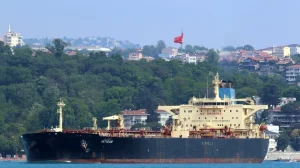
The Treasury Department has issued a license covering Russian oil already on ships as of the extension date, and valid until May 16th. This replaces a previous, 30 day allowance that finished on April 11th and is another limited-time easing of the rules.
Iran, Cuba, and North Korea are still not included in this allowance. It only applies to oil bought on the seas, not to any new oil being sent out after May 16th, creating a small opportunity for trading with Russia legally according to the US government.
Why the administration acted now
Government officials have described this as a short-term fix for the world’s energy markets. Because of the fighting in the region, oil prices have risen, and this allowance is intended to prevent even larger and more unpredictable price increases which would harm both consumers and the worldwide system of getting goods.
This decision was made after Treasury Department leaders had, the day before, appeared to indicate they would not extend the waiver. This change of heart shows the difficulty of balancing keeping the market calm in the short run and the longer-term plan of using sanctions.
How much supply could be affected
Russian officials have stated the first allowance freed up a large amount of crude oil, roughly the same as a whole day’s worth of oil produced globally. If buyers take advantage of this extended time, it could temporarily increase the amount of oil available in the world and lessen the pressure on prices to go up.
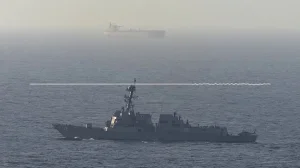
Despite this, experts warn that the effect won’t be huge. The market is still strongly reacting to the partial closure of shipping through the Strait of Hormuz, which has removed up to 20 percent of the daily amount of oil and gas being transported before the conflict.
Political and diplomatic consequences
Lawmakers from both sides of the political spectrum have criticized the waivers, saying they go against the attempt to reduce the money going to countries that are involved in fighting. Making the restrictions less strict can seem to undermine the sanctions meant to put pressure on difficult countries.
Our allies might also believe this extension doesn’t fit with the wider aim of taking away money from countries at war. This move could cause issues with diplomatic cooperation at a time when working together with strong pressure is most important for a long-term strategy.
Market commentary and likely future steps
Experts in sanctions think we can expect more temporary solutions because politicians are running out of ways to stabilize the market. One expert says the conflict has permanently damaged the energy markets, and those in authority might feel they have to renew similar waivers if there are continued interruptions.
As for what happens next, the government could give more detailed instructions on what it takes to get a waiver, and work more closely with the capitals of our allied countries. Being open about how long any future waivers will last and how much they will cover will help the market to react in a more predictable way.
What citizens and policymakers can do now
Those making policy need to find a balance between protecting consumers now and stopping countries that fund attacks from getting money. This means coordinating sanctions with actions in the market, and clearly stating how long things will last and how to get out of them.
The public and businesses should demand clear information and lasting answers. Things like releasing oil from the Strategic Petroleum Reserve, diplomatic attempts to reopen important shipping routes and speeding up the search for different places to get oil can decrease our vulnerability while still keeping the power of sanctions.