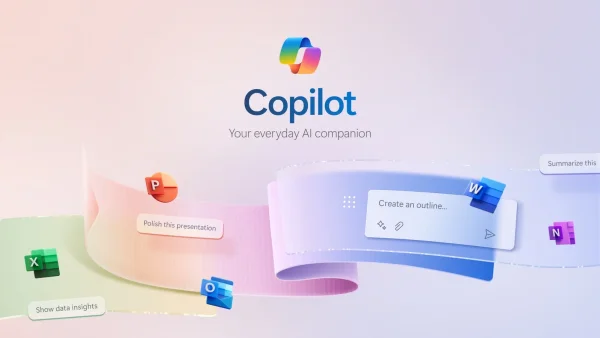
Copilot is being shown off as a helpful AI assistant that works with Windows and Microsoft if you pay for Microsoft 365. But a sentence deep in the Copilot terms of use stating “for entertainment purposes only” has become popular on social media. This is very different from the advertising and makes people ask again about liability, expectations, and how AI disclaimers are being handled in the industry.
What the Terms Say
The “Important Disclosures & Warning” section of the Copilot terms of use says the service can be wrong and may not do what you want. It specifically says not to depend on Copilot for important advice and to use it at your own risk, and that what it gives you isn’t the final word.
The terms do show when they were last updated, and Microsoft has said they are planning to change some older wording. Even if that change happens soon, this shows how a few words in a legal document can change how people think about something and get both the people who make sure rules are followed and customers to look more closely.
Contrast With Product Marketing
Microsoft is promoting Copilot as a productivity tool that is built into applications to help with writing drafts, summarizing information, and automating tasks. Materials for businesses and demonstrations show how much more efficiently things can be done and how Copilot fits into actual work for people in businesses.
However, this public image clashes with the legal position. Advertising encourages you to rely on it; the terms of use remove the company’s responsibility. This difference can be confusing to customers and cause problems for teams using Copilot with sensitive information.
Why Companies Add ‘Entertainment’ Disclaimers
Generative AI (AI that creates new things) can give you information that is inaccurate or misleading, which is sometimes called “hallucinating”. Because of this, companies are adding very clear statements that limit what they are responsible for if those errors cause harm. This language is a way for companies to manage their risk as they are getting more attention from the legal system and regulators.
These statements also show the difference between how quickly a product is developed and how quickly legal reviews happen. Teams can get features and advertising out quickly, but the official terms of use can fall behind, leaving older phrases in place that don’t accurately reflect what the product can do now or how people are generally using it.
Legal and Regulatory Context
Because regulators and the courts are looking carefully at what AI claims and the harm it causes, companies are using the terms of use as a way to protect themselves. Carefully worded, conservative legal language can reduce liability in disagreements and lets business customers know that a person needs to check important decisions.
At the same time, regulators might think very strong disclaimers aren’t enough if the company is actively advertising the AI for important, high-risk jobs. This creates a need for both clearer instructions on how to use the product and more accurate legal language.
Practical Advice for Users and Buyers
Think of what Copilot gives you as assistance, not as the definitive answer. Double-check the facts and choices you make based on AI, particularly in areas like finance, law, medicine, or anything relating to safety. Doing this lowers the chances of problems at work and protects the good judgment of your organization.
Companies should create ways of managing Copilot: have clear rules about where it’s okay to use Copilot, make a person review anything important Copilot produces, and include rules in contracts that make sure what the vendor (Microsoft) says they will do matches what they are actually responsible for. Pay attention to any changes to Copilot’s terms of use and change your internal rules as needed.
Microsoft’s “entertainment purpose” wording might be from an earlier version of the terms, but it’s a good reminder of the current limits of generative AI. Advertising will emphasize what a product can do; the legal language will set the boundaries. Both users and those buying the product should read both, verify the information it provides, and be sure to have management practices that connect the two.