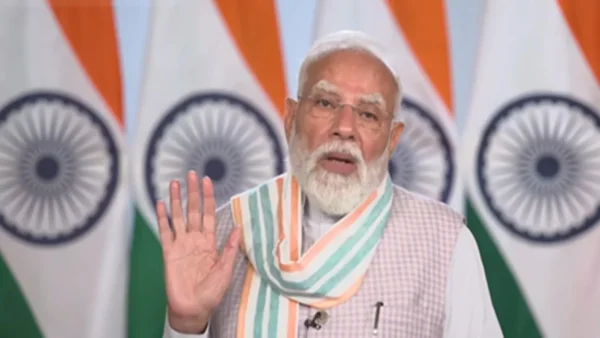
It was a quiet kind of milestone on Tuesday as the PM put in his 12th year in office. But it is one that speaks to how a run of hard-fought victories has re-drawn the lines on the map and made the BJP the de facto power in the room. Ever since May 26, 2014, you can see the change in how coalitions are put together and how the numbers are crunched, from the East to the Hindi heartland and back.
A 12-year milestone and why it matters
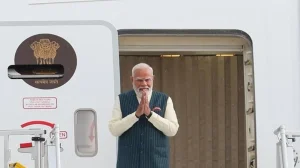
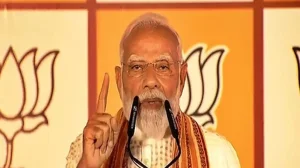
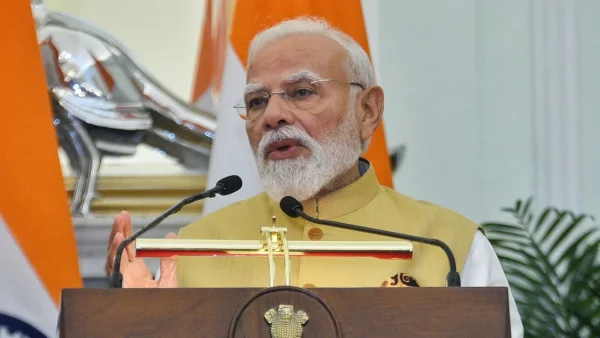
Modi first took the oath of office on May 26, 2014, before being handed the reins again in 2019 and 2024. Those in the ruling party will tell you this is more than just an anniversary; it is a change in the way the country sees itself and is run, with a kind of staying power in every contest, be it at the state or national level.
Some of the top brass were out in force to mark the occasion, making no bones about their support for where the ship is steered. They put forward the old adage of Sabka Saath, Sabka Vikas, Sabka Vishwas, aur Sabka Prayas and made the case that under Modi, a self-styled Pradhan Sevak, policy is no longer just ink on paper but something with real-world effect.
You could hear these themes from the leaders on Tuesday:
– Nitin Nabin: a renaissance of culture
– Rajnath Singh: a firm hand in governance
– Nitin Gadkari: a vision for the digital age
– Nirmala Sitharaman: running a transparent show
– Kiren Rijiju: on the twin pillars of infrastructure and security
Eastern surge and first-time frontiers
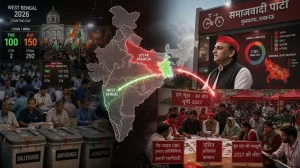
The writing was on the wall in 2026. When the BJP won 207 seats in West Bengal, it was a stinging rebuke to the Trinamool Congress and a first for a state the party had never put down roots in. Add in a firm hold on Assam and you have a party that has made the East its own.
Of course, there was the earlier opening in Assam to build on, where they bested the Congress and put in a government in the Northeast for the very first time. It was a door opened to a part of the country that had been off-limits, and in the years since, the organisation has put down deeper roots there.
Then there are the alliances. The NDA’s performance in Bihar was a case in point – 202 out of 243 Assembly seats is a statement of intent. It put the bloc in a stronger position in the east and proved they can win in areas where their presence used to be thin on the ground.
Heartland consolidation and urban symbolism
The East may have been the story of growth, but in the Hindi heartland, it has been about holding your ground. The 2017 Uttar Pradesh Assembly election was a turning point. With 312 of the state’s 403 seats in its pocket, the BJP redefined the balance of power in India’s most populous state, putting down a huge legislative foundation and making for a stronger hand for Modi.
By 2022, it was clear this wasn’t just a one-off. The results in UP showed staying power. Under Yogi Adityanath, the party held on to power, the first in many a year to be re-elected back-to-back in the state, and it only added to their “double-engine” story.
But the BJP’s reach has never been limited to the heartland or the Parliament. Following the 2014 wave, they put down roots as the top force in Maharashtra and took an outright majority in Haryana. They did it again in 2024 with key wins in those very states, keeping up the pace.
Then there is the matter of symbolism. In 2025, the BJP made inroads in Delhi, 48 of 70 seats to be exact, to put an end to the Aam Aadmi Party’s run and take back the national capital for the first time in almost 30 years. To a rank-and-file worker, that kind of victory means more than you can put in a spreadsheet.
National mandates and what they made possible
You have to go back to 2014 to see where it all started. With the UPA facing a wall of anti-incumbency, the BJP ran on development and put up 282 of its own names, while the NDA as a whole got 336. It was the kind of majority that lets you call the shots at the national level and put some order into your state campaigns.
In 2019, they came back with even more. The tally in the Lok Sabha went from 282 to 303, driven by talk of national security and the pull of the prime minister. An unambiguous result that left no doubt about who was at the centre of things.
Of course, you can’t ignore the state cycles. What the BJP did in 2023 in places like Madhya Pradesh, Rajasthan and Chhattisgarh was seen as a way to get the troops in shape ahead of 2024. It kept the machine oiled and spirits up.
Where it adds up and what’s next
Put it all in a row and you see a party that in 2014 had a foot in the door in some states, but by 2026 is in charge, in one form or another, of most of India. It’s a formula: make every contest a national one, be well-organised, and don’t let go of what you have.
There are also the hard-won areas, like the Northeast and West Bengal, which have their own value. And in UP or Haryana, you have proof of both depth and endurance.
When you sit down with the leadership and look at 12 years in the rear-view mirror, they will tell you it has been about serving 140 crore people and building some self-assurance. But the bottom line is plain: these verdicts have done more than lift the BJP; they have changed the game for the rest of the field.