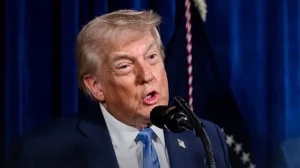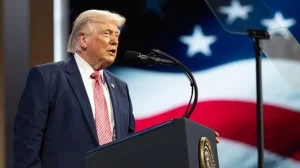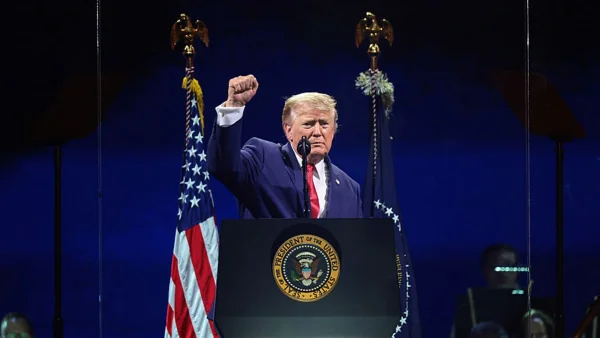
US President Donald Trump has paired ongoing peace talks with a sharpened warning to Tehran, saying Iran must accept a deal or the United States will ‘complete the mission’. He added that he prefers a negotiated outcome because he does not want to harm 91 million people.
The stakes behind the warning
Trump framed the talks as a high-pressure choice for Iran, asserting the US ‘will win’ whether or not an agreement is reached. The message places urgency on Tehran even as negotiations continue, heightening the sense of consequence for both sides.
He insisted that a deal remains his preferred path, connecting that preference to human cost. The reference to 91 million underscores how he is casting the decision as one with broad civilian implications.
Concessions claimed and nuclear focus
According to Trump, Washington has already obtained concessions from Iran and expects Tehran to adhere to them. He also said the United States will secure Iran’s 'highly enriched uranium‘ as part of the process, bringing nuclear concerns back to the centre of the talks.
The emphasis on adherence signals that any diplomatic package would hinge on enforcement. That positioning shapes the next phase of negotiations and tests Tehran’s willingness to accept terms Trump says are already on the table.
Energy market claims and regional signals
Trump argued that oil prices have fallen and are now lower than before the escalation. He attributed that drop to what he described as an ‘epic wrath process’ against Iran. The claim links US pressure to market outcomes that affect consumers globally.
Even while escalating rhetoric, Trump said he is not seeking regime change in Iran. He repeated that a negotiated settlement is his preference, signalling that Washington wants outcomes without widening the conflict.
What negotiators are weighing
Diplomatic efforts remain active amid heightened regional tensions, with concerns over nuclear activity and potential military escalation shaping each round. Trump’s remarks set parameters that negotiators will need to translate into verifiable steps.
Here are the key statements that define the US posture right now:
– Iran must agree to a deal
– The US will ‘complete the mission’
– The US ‘will win’ regardless of a deal
– Preference remains a negotiated settlement
Implications for stakeholders
For Iran, the warning raises the cost of delay while avoiding explicit calls for regime change. For the US and its partners, enforcement and verification emerge as the practical test, especially on 'highly enriched uranium‘ and any concessions Trump says were secured.
Energy markets face mixed signals: firm rhetoric on Iran alongside an assertion that prices are lower than before the escalation. Traders and policymakers will parse whether that trend holds if talks stall or enforcement steps intensify.
Parallel signals on another front
Trump also addressed the Russia-Ukraine war, stating that both presidents want to end the conflict. He expressed confidence that a resolution may be close, saying he believes the war could be brought to an end.
Those comments land as fighting continues without a formal ceasefire. Periodic negotiations and international mediation efforts persist, but there has been no agreed halt to hostilities.
What comes next
The immediate test is whether Tehran accepts the deal Trump is pressing for, and how any steps on ‘highly enriched uranium’ would be verified. The broader question is whether intensified pressure and talk of mission completion bring a breakthrough or a new standoff.
For now, the US line is clear: negotiate, adhere to concessions, and accept safeguards. Trump’s insistence that he does not wish to harm 91 million people frames the talks’ urgency, while his claim that the US ‘will win’ keeps pressure firmly in play.