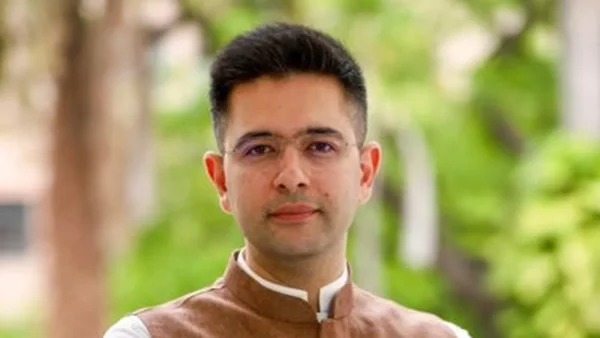
You could call it a test of what can be said about a politician on the internet. On July 1, 2026, the court gave its nod to have a handful of objectionable material taken down from Rajya Sabha MP Raghav Chadha’s case, while turning a blind eye to the claim for an interim shield on his personality rights. In the end, only a sliver of the content was seen as defamatory on first look.
What the court ordered
Justice Subramonium Prasad was plain-spoken: this isn’t a case about personality rights, not at this juncture. He did, however, see fit to order the takedown of five posts he considered defamatory.
‘There is no personality right involved,’ Justice Prasad put it when he read out the order. ‘I have ordered take down of only five documents. Rest is not defamatory prima facie.’ We are still waiting on the full text of the order.
If you’re following the story, here is what you need to know from the interim order:
– Five posts to be removed
– Personality rights? No interim cover for those
– The rest of it doesn’t make the cut for defamation
Why this matters for online political speech
The court has put up a dividing line between making money off someone’s name and having a go at their politics. The tenor of the observations is that you can be hard-nosed in your commentary on a public figure’s moves and be tolerated for it, provided you don’t tip over into open defamation.
They were at it in earlier hearings too, mulling over whether a harshest kind of allegation against a politician really falls under the rubric of personality rights. The upshot is that there is more room to manoeuvre in public debate, be it over a party switch or some other strategy.
What Chadha alleged
Chadha came to the court for a quick fix to what he called false, AI-made and deepfake stuff that was doing him in. His position was that unauthorised use of such technology was an affront to his legal and constitutional standing.
He put it to the court that the heat turned up after he was done as the AAP’s Deputy Leader in the Rajya Sabha and made his way to the BJP. His side says some of the posts were not just critical but put words in his mouth, like he had ‘sold himself for money’. After some back and forth, the court held off on a decision on May 21.
How this compares with recent personality-rights rulings
This is a different ballgame from a few we’ve seen of late where the court has been more willing to put up a wall for personality or publicity rights. You have had cases with the likes of Salman Khan, Aishwarya Rai Bachchan, her husband Abhishek, Sri Sri Ravi Shankar, Pawan Kalyan, Sudhir Chaudhary and even podcaster Raj Shamani.
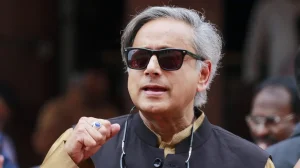
There was also the Shashi Tharoor matter, where it was all about the unique way one presents oneself. Here, the bench is indicating they are looking at how a man has conducted his politics, not if someone is cashing in on his image.
Implications for platforms and political actors
It leaves platforms in a bit of a bind: do as the court says and pull the defamatory ones, but don’t get in the habit of silencing everything. As for the politicians, let this be a sign that you can’t always hide behind personality rights when the dispute is over your political record.
Then again, the fact that five posts were yanked means the courts will step in when the content is malicious enough to be a problem. It’s a way of having your cake and eating it too – some protection for reputation, and some for free discourse.
What comes next
We’ll have to wait for the detailed order to get the full picture on the takedown and the court’s thinking on personality rights. Down the line, the suit will come down to whether any of the other posts are as bad as these or amount to some other harm in law.
For the time being, the word is: remove what you must, but don’t put a lid on political talk.