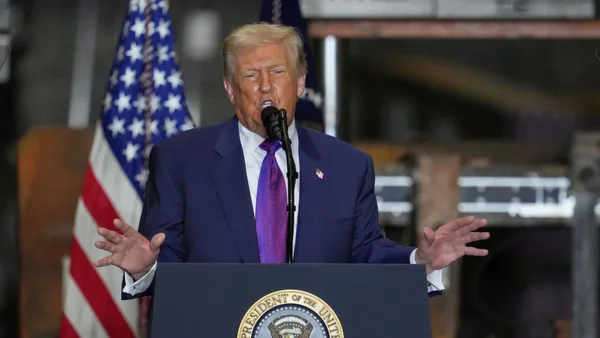
Donald Trump has made it known he wants Israel to let Syria have at it when it comes to Hezbollah. It’s a notion that has set off some unease in both Tel Aviv and Beirut, and prompted a hasty denial from Damascus. You can see Washington is running out of patience with how Israel is waging its campaign.
Whether the White House is just feeling it out or not, the very mention of a Syrian hand in Lebanon is changing the math. Israeli officials have been in rooms to size up the danger, there are nerves in Lebanon, and in Syria they are in a bit of a rush to make sure they don’t get pulled in any further.
A proposal that rattled two borders
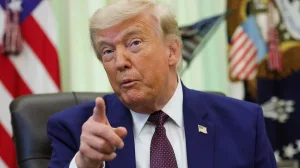
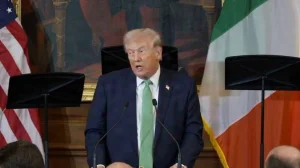
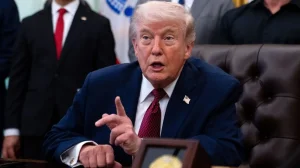
You could hear the exasperation in Trump’s voice at the G7 earlier this month. He made the case that the war had gone on long enough and that 'too many people are being killed‘, so he was after a new way of handling the Hezbollah problem in Lebanon.
It has been a heavy cost since Hezbollah opened up on Israel in a March 2 attack and became part of the larger Iran conflict. Over 4,000 have died from Israeli strikes in Lebanon, women and children among them. Israel maintains it is after Hezbollah and is doing what it can to keep non-combatants out of the line of fire.
Trump put a finer point on it with a word of caution on urban combat. ‘You don’t have to raze an apartment building to find one guy, because there are a lot of folks in there and they aren’t all in on it with Hezbollah,’ he put it.
And then he put a more radical option on the table. ‘I told Israel to let Syria handle Hezbollah. I’ll be straight with you, I think they’d do a better job of it.’ A couple of days on, a reporter had him saying he was ‘close to handing it over to Syria’.
The White House wouldn’t be drawn into it, just referring you back to what the president had said before. But between that and his own words, the idea has been making the rounds in regional capitals and drawing responses.
Damascus pushes back, insists on restraint
Syria’s top brass didn’t wait to put a lid on it. Speaking in Damascus on June 13, President Ahmad al-Sharaa put down any talk of him going into Lebanon and called for the war to be done with once and for all, with better institutions and trade to steady the ship.
Al-Sharaa told an interviewer on the 21st of June that there had been some misreading of what Trump was on about. He put Syria’s position as one of finding a way to be safe and at peace, not to run an operation across the border. He says they have put a plan in front of the US to stop the fighting and mend the harm it has done, be it economic or otherwise.
This is in step with where the country has been since al-Sharaa came to power in December 2024. The message from the government is that they are here to rebuild and put old scores to rest, not to be part of a wider conflagration. When the Iran war first got under way, they put some muscle on the Lebanese border to put a stop to smuggling and anything else that might come over.
Why Israel and Lebanon are alarmed
In Israel, the thought of Syria in Lebanon is a touchy subject. They don’t trust al-Sharaa’s Islamist government and have been holding onto a piece of southern Syria ever since he got in charge. Their security chiefs were in a meeting on Wednesday to go over it.
One official in Israel will say they are also concerned Syria may want to have its say in Lebanese affairs again, even if Hezbollah is the main thing on their mind. Any kind of move by Syria in that direction, even in words, has them in Jerusalem planning for contingencies.
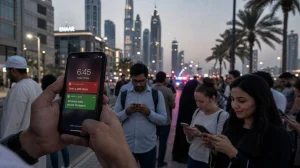
For the Lebanese, it is as much about history as it is about the here and now. The occupation is a memory that still has a hold on politics, and there is a fear in some quarters that a change of guard on the border could bring on some payback or open the door to a new round of proxy fighting.
Memories of occupation and sectarian scars
When Bashar Assad was put out of a job, the spats between those for and against al-Sharaa turned into something more like sectarian retribution.
There have been charges that Sunni Islamist elements of the new government have made moves against Alawite and Druze civilians, which has put the nerves of Lebanon’s Shiite, Christian and Druze on edge.
You could say the mood with Hezbollah has been up and down. Back in March, Syria put out a claim that Hezbollah had shelled some of its army posts over the border – something Hezbollah would have none of. Then Turkish Foreign Minister Hakan Fidan said they had to put a lid on things, and for a while, the heat was taken off.
Al-Sharaa has no problem saying to his face that he thinks it was a mistake for Hezbollah to get involved in the Syrian war. But he is also putting out word that he is ready to talk to them and even step in as a go-between for the Lebanese who are at odds over what to do with the group’s arsenal.
Washington’s mixed messages
Trump’s latest move comes as the White House has grown less than fond of how Israel is handling its campaign in Lebanon. In March, Tom Barrack, the US envoy to Syria, put to rest any notion that Washington was behind a plan for Syria to go after Hezbollah. Lately, however, Trump has been making the case in public.
That didn’t sit well with some in the policy world. “At best, you’re not in touch with what’s happening on the ground,” said Randa Slim of the Stimson Centre in Washington.
In her view, Syria has enough on its plate with rebuilding and getting millions of refugees home. She also pointed out that the Syrian military is hardly a well-oiled machine: “You have thousands of foreign jihadis there whose loyalties and discipline are an open question.”
Then there is the matter of friction with Turkey, a major ally of Damascus. Both it and Israel are vying for a foothold in Syria, so any new security role for the country is sure to be a flashpoint.
Why now?
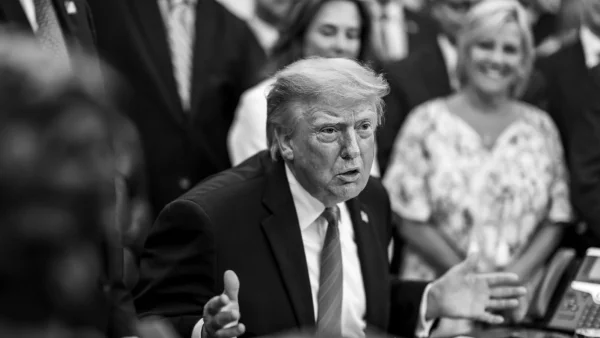
For Trump, it is about the body count and being precise. “Too many people are being killed,” he has said, and he has made no secret of his frustration that Israel can’t “put Hezbollah away.” He is “close to giving it to Syria” because he figures al-Sharaa will be more exact.
Israel says it is doing what it can to hit Hezbollah and keep its own people safe. Trump has had a few words for them about the apartment blocks and the need to be more careful with their targets.
Here is where we stand:
– March 2: An attack by Hezbollah on Israel and the ratcheting up of hostilities.
– Earlier this month: Trump puts the kibosh on the length of the war and the cost in lives.
– June 13: al-Sharaa says there is no plan for Syria to intervene.
– June 21: al-Sharaa says Trump was misread.
– Wednesday: Israeli security heads get together to size up the situation.
– The White House has nothing more to add.
Where this is headed
No one knows how hard the White House will press on this. But the idea of Syria going after Hezbollah is enough to make for some unease in a conflict that has already put governments in Beirut, Jerusalem and Damascus to the test.
In Lebanon, a Syrian presence could be a powder keg for political fault lines and old wounds from the occupation. With militias rethinking their boundaries, some communities are likely to feel vulnerable once more.
Israel is in a bind of its own. Handing over the Hezbollah problem to Damascus might tie its hands, particularly if Syria wants to make a point on the Golan or in Lebanon. Still, when the numbers of dead are what they are, the pressure on those in charge is unrelenting.
Syria for its part is trying to come across as a force for stability. al-Sharaa is making a point of separating the kind of dialogue he is for from any military action. Whether anyone in the region is buying it is another story.
On the diplomatic side, you have the US and Iran in talks in Switzerland, and Turkey and Israel butting heads for influence in Syria. It is a recipe for either de-escalation or a misstep, depending on how each side interprets what the other – and Trump – is up to.
For the moment, the president’s comments have put two borders on notice and made for a harder conversation on how to bring this to an end. It has been a trial for Syria’s new leaders, who say they want no part of a wider war, and left the common folk to wait and see what happens next.