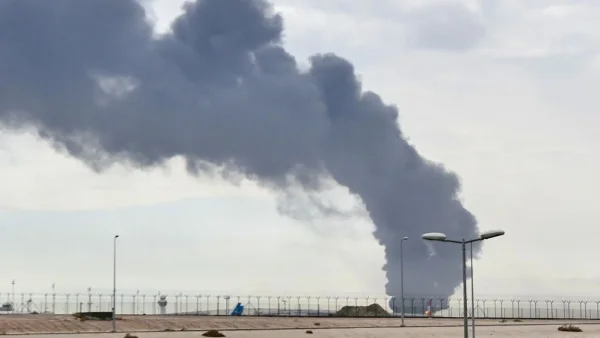
The conflict in the Middle East is now in its treading into its second month and the violence has now expanded to the Gulf area, specifically hitting places related to energy and manufacturing. This is causing concern about global supply chains. Saudi Arabia’s air defense systems have said they’ve destroyed many drones and a large refinery in Kuwait caught fire after being attacked from the air. This has made energy markets in the region and the people who plan security for them very uneasy.
Overview of recent attacks
The attacks aren’t limited to the military anymore; they’re now targeting things like refineries and places where ships load and unload goods. This change has made people much more anxious about interruptions to the flow of supplies and the safety of the people who work at these sites.
Defense officials in the region say they destroyed multiple incoming drones and missiles during the night. In some parts of the capital city, people heard the explosions when the drones and missiles were shot down. Officials are telling people to remain careful and keep an eye out for possible follow-up attacks.
Kuwait refinery strike and response
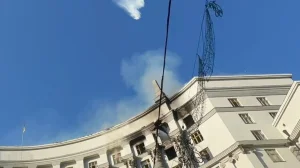
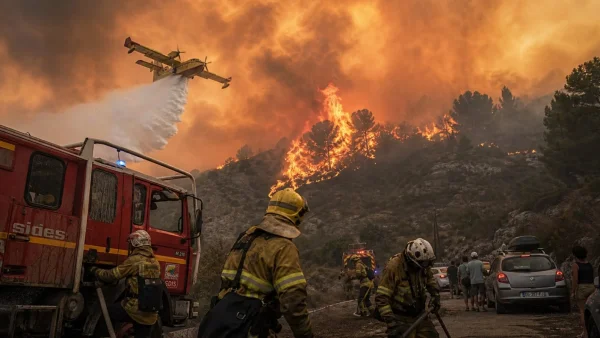
Early this morning, drones attacked the Mina Al Ahmadi refinery, one of the biggest in Kuwait and run by the country’s oil company. Fires started in several parts of the refinery and the refinery immediately started its emergency plans to get the fires under control.
Kuwait Petroleum Corporation said no one was hurt and complimented the firefighters for keeping the flames from spreading. So far, the air quality monitors around the refinery aren’t showing a major impact on the environment, but they are continuing to watch things.
Saudi air defenses and interceptions
Saudi Arabia’s defense department reported stopping and destroying seven drones in the last few hours, explaining they did this to protect the country. A person speaking for the defense department said this is part of the normal way they protect important places and where people live.
These interceptions happen as there’s more and more fighting in the region between Iran and groups that support it, and Israel and the United States. This constant stream of drones and missiles being fired has stretched the abilities of the defense systems and shown how vulnerable even multiple layers of protection are.
Impact on Gulf energy and markets
Attacks on refineries and the facilities that support them cause immediate problems for actually running them and, over time, change how the world sees the risk of getting energy. When it looks like the routes for oil to travel or the ability to refine it are in danger, traders usually add extra cost to the price of oil and gas, which can make the price go up.
Insurance companies and shipping lines are now re-evaluating how risky it is to travel through the Gulf and stop at its ports. Even a short stop to the amount of oil that can be refined or the way oil is exported can have a chain reaction on the fuel market and how everyone buys fuel around the world.
Regional security and maritime implications
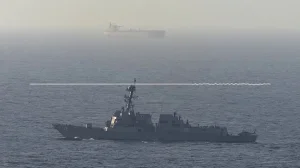
Keeping the seas safe is becoming more difficult because of hostile actions that threaten ships carrying goods and important waterways. Oil tankers and ships that support them might have to go a different route, pay more for insurance, and be followed by more warships. All of this makes it more expensive and complicated to get oil and gas.
People who make policy and leaders in the oil and gas industry are urging for talks and working together on defense to prevent things from escalating. Continual attacks on places civilians use could cause more countries to get involved and increase the possibility of accidental conflicts at sea.
Outlook and risk management
People who watch the market, those who run the refineries, and governments will be looking for updates on how Kuwait’s facilities are doing and for any further incidents in the Gulf. Being open about the damage, how long repairs will take, and the environmental monitoring will be very important for calming the market and reassuring those involved.
Looking ahead, these events show the need to better protect facilities, find ways to reduce the chance of conflict in the region, and have plans ready in case of problems with energy supplies. Investors and those who manage supply chains should prepare for prices to go up and down, while the authorities work on lowering the chance of more attacks on important facilities.