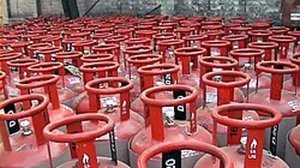
The issues with getting LPG are making people and businesses think carefully about their energy, and India is speeding up the move to PNG. Government people have said over 501,000 new PNG connections have begun to deliver gas since March, and over 568,000 people have signed up for PNG, showing that more and more people are using it, with a lot of help from government policies.
Why India is fast-tracking PNG
The government is telling people who have PNG available where they live to start using it. They say PNG is easier to use and hasn’t been as affected by the supply issues. They’ve told people to approve pipeline work to get gas to homes more quickly, to make changing over easier and reduce how long people have to wait.
Sujata Sharma, Joint Secretary at the Ministry of Petroleum and Natural Gas, at a press conference explained that over 501,000 PNG connections have been supplying gas since March 2026. “Supplying gas” or “gasified” means the gas is now flowing. She also said this number includes applications made both before and after the crisis began.
Connections surge and registrations rise
Sharma also stated that more than 568,000 customers have signed up for PNG since March. As of April 19th, around 39,400 PNG users had given up their LPG connections, which shows a continued move toward PNG.
The Petroleum and Natural Gas Regulatory Board has extended the nationwide expansion of PNG to June 30th, supporting the goal of getting it to as many homes as possible.
Key numbers at a glance
Here are the most important numbers officials have shared:
– 501,000 PNG connections supplying gas since March 2026
– 568,000 customers signed up for new PNG connections
– 39,400 LPG connections given up by PNG customers by April 19th
LPG supply management and reforms
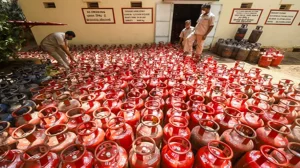
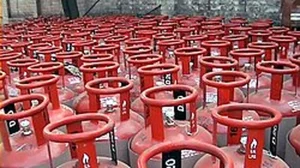
Sharma says the supply of LPG for homes is currently steady and there have been no shortages at the places where you get it. Ninety-eight percent of LPG is now booked online, and about 92 percent of deliveries are confirmed with a code to stop gas from being taken for other purposes.
About 70 percent of the amount of commercial LPG that was available before the crisis is now available again. The government is giving more LPG to those who change to PNG, so resources are going where the plan to switch over is happening.
The amount of 5-kilogram cylinders for workers who move around is now twice as much, and has been delivered to the states. Since the end of March, over 1.92 million of these cylinders have been sold, with information campaigns across the country to make sure they are still available for people who move and those who are in a difficult position.
Sales of commercial LPG were approximately 123,680 tonnes in April up to April 20th; this is the same as over 6.5 million 19-kilogram cylinders. On April 20th alone, 8,822 tonnes were sold, showing that demand is becoming more stable as PNG is being expanded.
Priority allocation and industry impact
Supplies of natural gas are being given first to city gas networks, with all of it going to PNG in homes and CNG for vehicles. More gas is also going to factories that make fertilizer and other industries, officials said.
City gas companies, including Indraprastha Gas Ltd, Mahanagar Gas Ltd, GAIL Gas Ltd and Bharat Petroleum Corporation Ltd, have been told to give PNG connections to businesses first. Support from the rules is getting better with quicker approvals and new rules for pipelines.
What comes next
With the expansion continuing until June 30th, the government is concentrating on increasing the number of connections, getting pipeline approvals faster, and maintaining a steady LPG supply in areas without PNG. The aim is to protect families and businesses from events in other countries and to increase the amount of city gas available.
Officials say they will continue to give priority to PNG in homes and CNG for vehicles. The amount of commercial LPG available is being increased, but at the same time, policies are directing new demand to PNG because it’s more reliable and easier to use.