Come Monday, the India-Oman CEPA will be redefining the way importers do business. With the new duty concessions on Omani products starting June 1, 2026, there is a lot of room for investors, but you can only tap into it if you can put up the proof of Omani origin with customs. It’s a case of having the opportunity, but with a bit more discipline in operations.
What changes from June 1, 2026
Over the weekend, the Finance Ministry put out word on the duty side of the India-Oman Comprehensive Economic Partnership Agreement. The notification is firm: it goes live on June 1, 2026, so there is no question about the terms of market access.
On paper, India is making some 77.79 per cent of its 12,556 tariff lines available for these concessions. In value terms, that’s 94.81 per cent of what we import from Oman, so you can expect a real dent in landed costs for a good chunk of the trade.
But there is a catch. The preferential rates are not given away. The rules are plain: an importer has to make the case to the Deputy or Assistant Commissioner of Customs that the product is indeed from the Sultanate of Oman before any duty is waived.
Opportunities and constraints
You won’t see the same kind of give across the board. For the kinds of things Oman wants to export and those that are a bit of a sensitive spot for India, we are looking at liberalisation through a tariff-rate quota. That list has your dates, marbles and the like.
It’s a way to keep the door open while keeping an eye on volumes. You get a straight line on how some of these items will come in at better rates, without ruffling any feathers on the home front.
Here is what the notification is telling investors:
– Concessions for 94.81 per cent of the value of imports
– No eligibility without showing customs the goods are Omani
– TRQs for dates, marbles and petrochemicals
Why this deal matters now
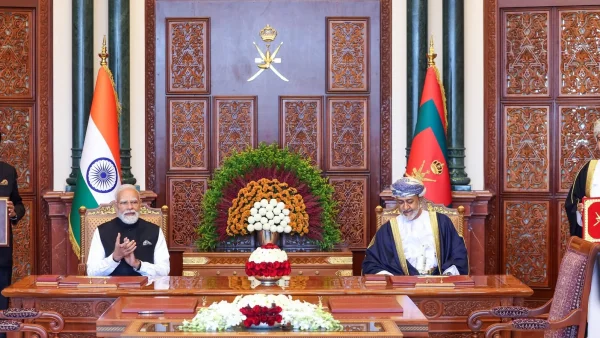
We signed off on the India-Oman CEPA back in December. Given that Oman is our third biggest export partner in the GCC, there is some heft to this corridor and plenty of room for trade to flow both ways.
Now that we have a date – June 1, 2026 – the notification gives us the regulatory cover we need. It spells out the extent of the tariff let-up and what you have to do to get it, so there is less guesswork in planning and running the numbers.
Compliance and documentation
The onus is on the importer, as the Finance Ministry makes clear. If you want the duty relief, you have to satisfy the right customs officer that the cargo is of Omani origin.
Think of it as a gatekeeper. It is there to make sure the benefits go where they should – to the right kind of Omani-origin shipment – in line with the bilateral understanding.
Sector watch and next steps
With dates, marbles and petrochemicals being called out for the tariff-rate quota, anyone in those sectors can start to shape their buying and selling to fit the new framework right from the start.
Then there is the rest of it. India is opening up 77.79 per cent of its 12,556 tariff lines, which has ramifications for supply chains linked to Oman. Firms on either side can now figure out what is eligible, schedule their freight and build the origin requirement into how they clear goods.
The timing is part of it too. Put out on Sunday for a June 1, 2026 start, it shortens the road from a policy idea to something you have to act on. That makes for easier decisions on pricing, contracts and the logistics of it all.
In the end, the CEPA is a wide-open lane for Omani-made goods to come into India, as long as you can verify where they’re from and work within the quotas for the more sensitive ones. There is a lot of potential here for the right investor, if you are on top of your compliance and know the lay of the land with the tariffs.