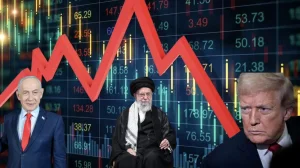
India has been told that its growth for the next year is likely to be considerably less because the situation in Western Asia is disrupting energy and supply chains around the world. The Finance Ministry’s Monthly Economic Review for March and the 7.0 to 7.4 percent growth it predicted are now threatened by higher prices for energy and shipping. Government officials say they will need to pay very close attention to the earliest economic figures.
West Asia crisis and disruptions to energy supply
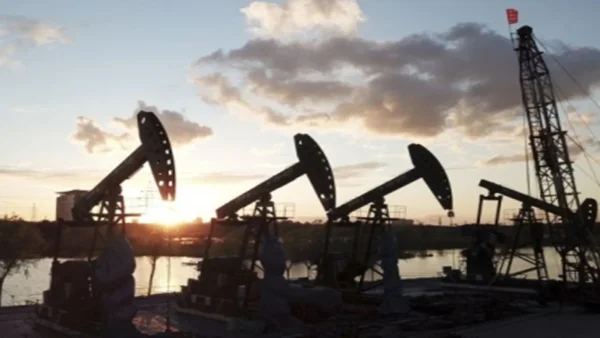
The fighting that began on February 28 has greatly reduced the amount of shipping going through the Strait of Hormuz, a waterway that normally carries around 20% of the world’s oil. Shipping has slowed to almost nothing, making oil and gas harder to get and increasing prices and shipping costs globally.
When energy costs go up, this immediately increases how much it costs to make and deliver things throughout the economy. Businesses that depend on imported fuel, gas and fertilizer will quickly see their costs rise, and industries that move a lot of goods will have their profits decreased by higher shipping charges. All of this makes inflation more likely, even as the economy slows down.
Downside risks to India’s growth forecast
India was aiming for 7.0 to 7.4 percent growth next year, but the Finance Ministry’s review, led by Chief Economic Adviser V. Anantha Nageswaran, says this is becoming harder to do. The report specifically states that the risks are now leaning toward slower growth given the quickly changing world economic and political situation.
So far, demand within India has been steady, and factories were doing well until February. However, the review points out that new difficulties from increased energy prices from the rest of the world could slow this progress. Officials will look closely at April and May’s early economic figures to see if this weakness continues or is only temporary.
External sector strains: CAD, rupee and worker flows
The review points to the current account deficit as a major problem in the near future. It got to 1.3% of the country’s total economic output between October and December, and officials think it will get worse as the cost of importing energy goes up. A bigger current account deficit could reduce the country’s financial protection and increase how much money it needs to find.
The value of the rupee has already fallen, reaching about 95 for each US dollar in March, because of money leaving the country and rising import costs. The report also warns that Indian workers in Gulf countries might lose their jobs because of the conflict, which would mean less money being sent home to India, and that could cause further problems. Each of these areas could increase the difficulties with the economy.
Domestic resilience and policy response options
Despite the shock, several things happening inside India are still positive. Production of steel and cement went up, and the creation of coal and fertilizer remained at a good level, supporting building and infrastructure. In February, bank loans increased by approximately t 14.5 percent from the year before, and lending to businesses also increased a lot.
Exports of services are continuing to help the country’s financial position with the surplus in services trade covering a large portion of the shortfall in trade of physical goods. These advantages give the government options, but the review asks for carefully planned help for the sectors and people who are most likely to be harmed.
Key indicators and likely policy moves to watch
Government officials will be tracking the prices of oil and shipping, inflation rates, early figures on what people are buying and what factories are doing, and how the current account deficit and exchange rate are changing. The early figures for April and May will be important for deciding what to do.
Officials might use a combination of focused financial help for the industries that have been affected, careful use of the country’s reserves, and providing money to the financial system. To lessen the chance of problems in the future, India could diversify where it gets imports from and make supply chains shorter, and communicating clearly will help keep people’s expectations stable during what is sure to be a difficult year.