Tens of thousands of views showed his story spread like wildfire, garnering massive support from news followers eager for the LPG shortage to be resolved. Krishna Prasad of “Sahara Samay” TV, an all-India Hindi channel, afforded the restaurateur interview time for any update related to the gas catastrophe or to present his message to the public. Climate activist and demonstrator Shapiro Taglioloni told the owner he would put together a convoy to support him and offered personal help. Singh’s appeal is now covered on the front page of Telegu newspapers Sakshi on one hand and NTV on the other.
Impacts of some social media recognition – Given the shitstorm launched by Singh’s Facebook followers
Khadak Singh was still packing his restaurant bench the night it opened. EAsting just a fair number of mouths was like meeting a universe of real-life superfans. In fact, even customers with folks outside the city who were targeted had their fare witnessed by scores of friends from neighborhood clusters, led by an excited bunch among both the order-placing and judgment groups. Corona was hard to suppress when happiness visited for the first time in months while Singh was in the restaurant limbo.
And soon enough, we were witnessing early and empathetic replies from the clientele along the lines of “Will certainly do once it clears up.” On the same thread, others found it encouraging to see other restaurateurs chiming in with similar stories of cost-cutting by way of slashing down menu orders, lessened working hours, or such other quick fixes.
Various practical approaches were also thrown into the ring, such as partially transitioning certain operations under induction or infrared facilities. These interactions also displayed a shared understanding for change and adaptability-the balm to help restaurants survive some quick off-time disruptions.
How the LPG shortfalls cause ripples across the larger foodservice industry.
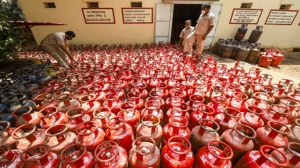
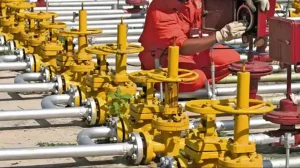
The Bangalore crisis is a microcosm of broader challenges throughout India as the supply chain has been hit by geopolitical crises. Restaurants and hotels have to deal with skyrocketing gas prices and logistical obstructions that are felt all along the line of food production.
In addition to changing market sentiment that has been observed, changing food and equipment companies can follow changes in market demand towards electric appliances. This market signal was taken to declare the potential acceleration toward non-LPG cooking solutions for the commercial kitchen.
Operational changes by restaurants
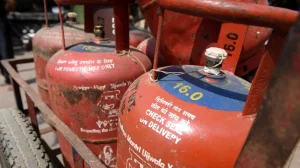
Many eating places have decided to cut down on the menu items as they consume less gas or can be easily prepared in advance. Some operators are reportedly not serving a complete menu to ration commercial cylinders and wait until supply stabilizes.
Some are planning to use electric cooktops, induction tandoors, or infrared units for the upkeep of their core product offerings; however, this would mean time, training, refurbishment, and possible remodelling costs.
Policy interventions and pressing cost concerns for small businesses
The rapid surge in LPG prices for household and commercial cylinders in the past week has complicated supply availability even more. For smaller restaurants, higher cylinder rates and uncertainty about supply make it harder to keep their daily operations viable at all.
In their pursuit of being profitable through absorption, the business community has been working to distance from time-bound price resistance exhibited by customers. Also, a few of them anticipate immediate loss as a test of their mettle to absorb the costs or raise prices enough to break even, lessen their service to possibly the most minimal level in order to match supply with demand.
Khadak Singh Da Dhaba and its ilk are seen as having a reasonable chance
“Let us give our best shot and be prepared for a strong comeback when the gas situation improves,” said Singh about the future with unquenched enthusiasm. Such optimism is shared by many of his fraternity members operating as restaurateurs, who take what is happening to their business as nothing but a mere storm, for when early indicators improve and they get the right policy response, and a fresh beginning.
Consumers and competitors from within the industry are watching supply indicators and policy responses closely. In the meantime, restaurants that diversify and have simpler menus with clear communication should be better positioned to withstand unrest.
Some of the practical steps local businesses can now take include assessing alternative cooking techniques, keeping employees informed, and using social media to update about any developments. The general public can support their local eating joints when they open up post-lockdown to speed up the recovery of the F&D sector.