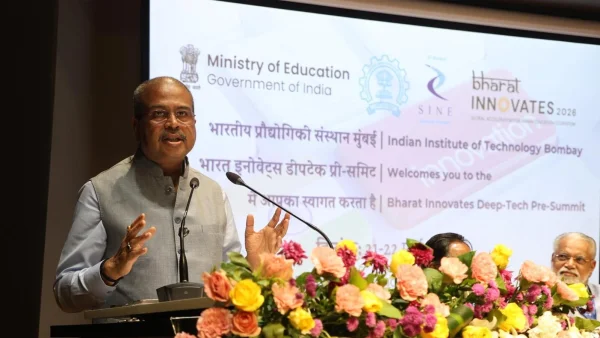
Pradhan also said that all high schools should be online in two or three years. This continues the current work of getting classrooms to use digital tools and get to more online resources; the government says about sixty percent of high schools are already connected.
National target and current connectivity status
The government wants to quickly close the remaining connection problems and have all high schools with broadband by 2028. This is based on what’s already in place and focuses on schools without dependable internet in both cities and the countryside, to reduce the digital divide.
Because education is a responsibility of both the national and state governments, this will require central and state governments to work together. Most schools are run by the states and territories, so they will need to coordinate how money is spent, how things are delivered, and how progress is tracked to finish the work in two or three years.
Infrastructure, challenges, and practical steps
Getting broadband to every high school will mean dealing with the final steps in the connection, ensuring a steady power supply, and having tech support available locally. Connection projects must consider the land itself, how much data is needed, and continuing maintenance, so the internet access is genuinely helpful in the classroom, and isn’s just for show.
Sharing the costs, having partnerships between public and private organizations, and using the country’s existing fiber optic networks can make the rollout go faster. The plan also needs agreements about the quality of the service, ways to protect against cyber attacks, and help for teachers and students to have a reliable, safe internet connection.
Integrating AI into the school curriculum
The National Education Policy of 2020 says modern subjects like Artificial Intelligence and Design Thinking should be introduced at the right time. The government intends to start teaching basic AI from the third grade, and a program covering Computational Thinking and Artificial Intelligence for grades three through eight will begin in the 2026-2027 school year.
AI, the Internet of Things and similar topics are already mentioned in textbooks for older students. Class eleven materials from NCERT talk about AI and IoT, and the textbooks for vocational courses include animation and game projects to give students a basic understanding of computer technology and creative tech.
Teacher capacity building and digital learning platforms
Pradhan emphasized that training teachers is the most important part of adding AI to education. Both the central government and the states are concentrating on helping teachers gain the skills to teach AI ideas, use digital tools, and run classes that combine digital and traditional methods.
National digital platforms and training programs will help with this, providing learning sections, materials, and official recognition for teachers. These will help teachers and students become knowledgeable about AI and continue to improve their skills in computational thinking and in how to use technology in teaching.
Impact on equity, skills, and future readiness
Having broadband for all and a curriculum ready for AI will improve the quality of learning, digital skills, and the skills needed for the 21st century in all different parts of the country. Having a better connection will make individualized learning, access to information from around the world, and working together easier, and it will get students ready for jobs that need computer skills.
However, those making policy must also consider fairness. Students need affordable devices, material in their own languages, and the support of their communities. If there is a strong focus on infrastructure, training, and how AI is included in the curriculum, this plan can reduce the gaps and make AI in education a reality for a lot of students.