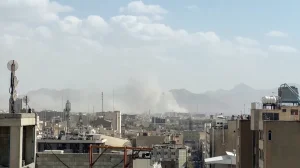
This very risky U.S. plan, which is being considered, involves either occupying or surrounding Kharg Island in order to make Iran reopen the Strait of Hormuz. People in government say the idea is to cut off Iran’s income by targeting its main oil shipping center until commercial ships can get through safely. However, no final decision has been announced yet.
Overview of the Proposed Operation
The plan involves actually having military personnel on Kharg Island, which is 15 or 16 miles from the Iranian coast. Military people planning this say that taking control of the island would directly prevent Iran from using its main place for exporting oil and force it to stop doing things that are stopping the flow of energy to the rest of the world.
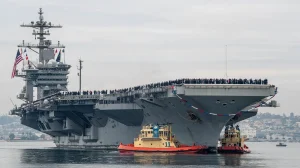
Government officials say Operation Epic Fury would only happen after attacks that weaken Iran’s military around the Strait of Hormuz. Important people in the military say it would need thousands of soldiers, a strong group of aircraft carriers, to discourage Iran from attacking back, and to protect the island’s piers and places where oil is stored.
Why Kharg Island Matters Strategically
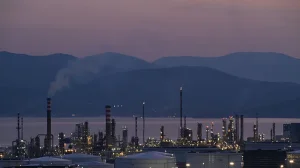
Around 90% of all of Iran’s crude oil is handled on Kharg Island, and pipelines from the country’s main oil fields connect to storage tanks and docks for very large ships. Because it can fill supertankers directly, it’s more important than most ports on the mainland.
The oil stored on the island is enough for about ten days of exports. The pipelines, storage, and ability to transfer oil to tankers all in one place make Kharg Island a critical spot; controlling it could seriously change how discussions about ships going through the Strait of Hormuz happen.
Military and Logistical Requirements
Military planners have explained to leaders how a sea and land attack and occupation of the island would work. Commanders estimate they’d need a lot of support from the sea and air, the ability to remove mines, and a lot of aircraft carriers constantly in the area to keep supply lines open and to protect soldiers as they move around.
Three separate Marine units are supposedly on their way to the area, and more forces could be sent quickly. Planners are sure that any occupation would happen only after focused attacks to lower the danger from Iranian military and defenses on the coast.
Global Economic Impact and Energy Security
When the market heard about the possibility of taking over Iran’s energy center, prices for crude oil went up quickly because people were afraid of a shortage of oil. Experts warn that if the facilities for processing or shipping out oil were damaged, oil prices could go much higher, which would then affect how much fuel costs and cause inflation all over the world.
Around rely 20% of the world’s oil and liquefied natural gas goes through the Strait of Hormuz. Problems there have already caused shortages and increased prices in Europe and Asia, and taking Kharg Island would make the world’s energy markets and how countries that import oil feel about security even more complicated.
Diplomatic Calculus and Coalition Building
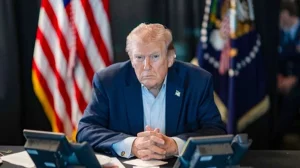
The White House is trying to get a group of countries with navies to share the work of keeping the area safe and to give any action a feeling of being correct and acceptable. The President has asked major countries that buy a lot of energy to provide ships for protecting other vessels and to help keep shipping lanes clear.
Countries that would be helping are not all in agreement; some European nations are tentatively saying they support the idea, but others would rather use diplomacy and don’t want to be in a direct fight. Countries that buy a lot of Iranian oil are considering how much money they’d gain or lose against the danger of making the military situation worse.
Risks, Legal Questions, and Political Consequences
Taking over an island that is key to energy supply raises difficult questions about what is legal and what is right. Both the operation itself and what happens afterwards would be influenced by international law, protecting places where civilians are, and the possibility of accidentally damaging the places where oil is exported.
Military experts warn that having soldiers on the ground could get the U.S. more and more involved in a long-lasting conflict with Iran, increasing the chances of soldiers being killed and the fighting spreading to the rest of the region. Political leaders must weigh the quick goal of reopening Hormuz against the long-term effects on how stable things are and the world’s economies.
A final decision is still pending as military and civilian leaders decide if the advantages of the plan are worth the risks. Operation Epic Fury shows the U.S. is willing to use unusual pressure on energy facilities, but actually doing it would drastically change the military situation, the economy, and diplomatic relations in a very dangerous part of the world.