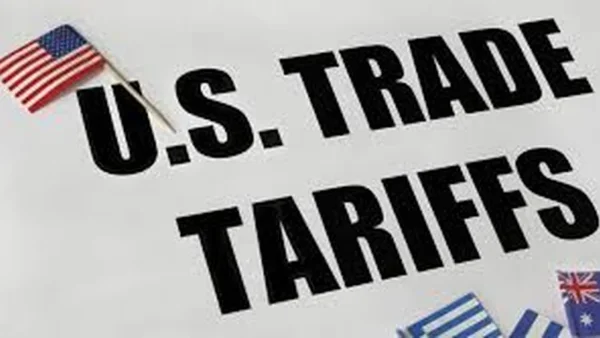
The US is using Section 232 to put this 100% tax on imported medicines with patents and the essential ingredients to make them, and again, national security and fragile supply chains are the reasons given. The official announcement specifically and for a limited time doesn’t include generic drugs, and this has a mixed effect on India’s pharmaceutical industry.
US Tariff Policy and Rationale
The government says the tax is because of how much the US relies on other countries for patented medicines and APIs. A large percentage of both are made abroad and if there were a big problem with supply, access to these medicines could be stopped.
Under the new rules, all imported patented medicines and their ingredients will be taxed at 100% of their value. However, companies that move their manufacturing to the United States might get a temporary reduction in the tax, starting at a lower percentage and going up to 100% over several years.
Near-Term Buffer for Indian Generics Exports
Importantly for India, generic medicines are not going to be subject to these Section 232 taxes right now. Indian companies are the biggest in the world for generic drugs and provide a big portion of the affordable medicines the US uses.
This exemption will help Indian exports of generic medicines in the near future, continuing the income for many companies that manufacture and sell them. But this exemption depends on certain conditions; the US government will watch how much manufacturing comes back to the US and may change how they treat generics later.
Longer-Term Risks to Indian Supply Chains and Contract Manufacturing
This 100% tax on patented medicines and APIs could cause problems for parts of India’s pharmaceutical industry that work with companies that create new drugs. Indian firms doing contract manufacturing, making intermediate products, or providing APIs to large international companies might feel pressure if those companies move production to the US.
Government programs to encourage manufacturing in the US and research and development could move future investment to the United States, changing the flow of money and possibly reducing the number of orders for specialized, patented products or ingredients India currently supplies.
Strategic Responses for Indian Pharma Companies
Indian companies have a few options to lessen the potential harm. They can sell to more countries, invest in more advanced research and development, and improve their factories to make more complicated medicines. This would make them less dependent on what one country does.
Companies could also form partnerships or rent space in factories in the United States to be eligible for the tax relief, or they can arrange long-term contracts that take the risk of the tax into account. Also, making sure they know exactly where all of their important APIs come from and having backup plans for obtaining them will help the industry to withstand difficulties.
Implementation Timeline and What to Watch Next
The official announcement has dates for the changes to begin in the middle of 1026 and allows for the Department of Commerce to review and make changes. Companies will need to follow the Department of Commerce’s advice, the requirements for plans to bring manufacturing back to the US, and any exceptions for trading partners or vital treatments.
People following this situation should see how quickly international companies commit to moving manufacturing to the US, whether the US will broaden or shrink the exception for generics, and how all of this will affect the prices of medicines, people’s ability to get them, and the movement of investment between the US and India.
This action shows a general change in policy toward having more pharmaceutical manufacturing capacity and secure supply within the United States. For India, things are okay for the moment because of the current exemption for generics, but changes in how and where companies get their supplies and encouragement to manufacture in the US could completely alter how things are done in the coming years.