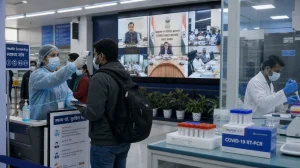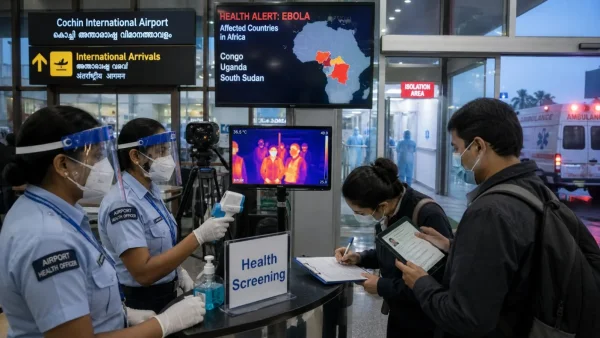
Kochi Airport has put in place 24×7 surveillance to be on top of any potential cases. Cochin International Airport Limited and the Airport Health Organisation have their systems running, with officers giving extra attention to anyone coming from Congo, Uganda or South Sudan. You will be asked to fill out a self-declaration form and put your last 21 days under the microscope.
It’s all about early detection, which is the only real defence when there is no approved treatment for the strain we are up against. In a recent review with Airport Director Manu G and other senior officials, the word was to be firm on three-layer masks and hand hygiene. The idea is to see a problem before it becomes one and act fast.
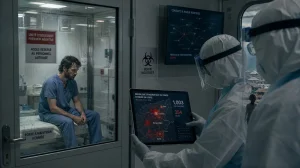
We have also set aside some isolation facilities. If there is a concern, a passenger can be moved to Ernakulam General, Kalamassery or Aluva. It’s a necessary backstop.
Why the 21-day window matters
Health people will tell you symptoms can show up anywhere from two to 21 days after you’ve been exposed. So the inquisitive part of the process begins at immigration and doesn’t end when you’re home. Fever, a sore throat, unexplained bleeding, muscle aches – these are the red flags. If you have any of them in the 21 days since you got here, you need to see a doctor and let them know where you’ve been.
Here is what to do if you feel unwell within 21 days:
– Isolate from others and wear a three-layer mask
– Contact local health authorities before visiting a clinic
– Share a full 21-day travel and contact history
The numbers don’t lie: the mortality rate for this kind of Ebola is 30 to 50 per cent. That is why they are not going to let you slide on reporting.
The global trigger and the numbers behind it
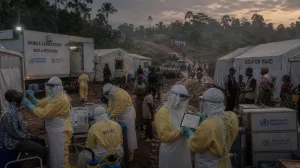
All of this is in response to the WHO calling the situation in the DRC and Uganda a Public Health Emergency of International Concern on May 16. By the 20th, they were looking at 600 suspected cases and 139 deaths. Tedros Adhanom Ghebreyesus, head of the WHO, has made it clear how fast things can turn without proper oversight.
Why officials are worried about this variant
At Kochi, the Bundibugyo strain is what has experts’ attention. Of the five types of Ebola, this one has no vaccine or specific cure, so we have to rely on the old standbys: screening, masks and keeping people apart.
India-wide readiness and what it means for you
It’s not just us in the south. Delhi’s IGI Airport put out an advisory on the 21st for anyone in transit from the DRC, Uganda or South Sudan. And at the top, the Union Health Secretary has made sure every state is ready, even though we have yet to find a case in India.
Given our NRI ties and the traffic that comes in from the Gulf with African links, we have to be watchful in Kerala. The WHO says the risk to the world is low, but in the countries involved it is high. We want to be alert, not panicked.
Practical guidance for Kerala residents
So for most of us, it’s a matter of being in the know. If you are to meet someone from those parts of the world, do as you are told at the airport. And if you or someone in the house has been in the region, mark your calendar for the 21-day period. A fever or any of the above? Call in, give them your history and do as they say.
What comes next
The system at Kochi will keep changing as we go along. New rules may mean new questions or a different route to an isolation ward, so be prepared for that. But the bottom line is the same: with no cure for the Bundibugyo strain, your honesty and a good mask are what will keep us safe while the rest of the world works on containment.