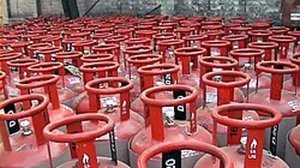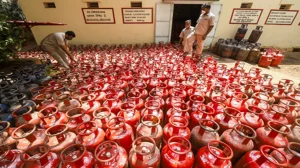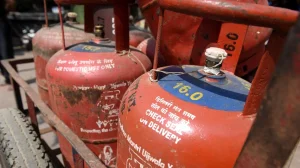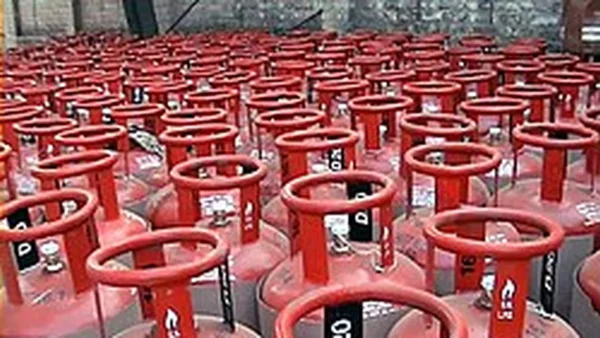
The new booking wait is a way of controlling demand all over the country, with longer waits in rural areas and shorter ones in towns. Rural and very remote areas now have a 45-day wait at least between orders. Cities have a 25-day wait. The idea is to stop people making too many orders, which puts a strain on the people who deliver the gas locally. The usual 2.5 days it takes for a cylinder to arrive after you order it hasn’t changed; customers shouldn’t see any increase in how long it takes to receive their gas once an order is set for delivery. The changes are about how often people order, not how the gas is delivered.
Officials say people are ordering in panic and storing gas, rather than because there isn’t enough being made. Problems with oil and gas being able to move around the world – especially problems around the Strait of Hormuz – have made people worried about fuel being available, everywhere. The government says India is in a better position than a lot of countries, but needs to take steps to stop local demand being distorted.
Gas distributors and shops were getting sudden rushes of orders
Reports from the field showed that gas distributors and shops were getting sudden rushes of orders, caused by people being anxious. By setting a minimum time between orders, the government hopes to lower sudden, artificial increases in demand, and to make sure cylinders get to the people who really need them, on time.
To make deliveries more reliable, the system of delivery confirmation codes will go from covering 50 percent of deliveries to 90 percent. Under this, a cylinder is only recorded as being delivered once the customer says they have got it, using a one-time code sent to their registered mobile phone. This makes it hard to hide gas being taken to the wrong places, and lowers the number of illegal gas supply channels.
The government has also decided to give 20 percent of the average monthly LPG need of businesses to those businesses, in agreement with state governments. This is to put people off storing gas and selling it at high prices, while restoring confidence in supply for industry.
Other fuels are also being made ready to ease pressure on LPG. Kerosene is being supplied through shops and public distribution, where it is needed. Fuel oil is also being made available for businesses and industry to lower their use of LPG.
Production is also being adjusted. Reports show LPG production has gone up a lot in the last few days, and refineries are working at full capacity. These actions, with the allocation measures, are to make both household and business supply stable.
People should plan their orders, remembering the new minimum waits, and avoid making multiple orders which could be cancelled or have a penalty. Make sure your mobile number is up to date with your distributor, so the delivery codes work. Use official distributor channels rather than unofficial sources.
Hospitals and schools will still get an unbroken, priority supply.
Expect to get clearer information from distributors as the confirmation system expands. If you represent a priority place like a hospital or school, check your supply arrangements with your distributor and local government. For most households, the change should make gas more available, by lowering the increases in demand caused by panic.
This adjustment to the booking gap is a short-term way of managing demand, during a time of unusual trouble in the world’s energy supplies. As supply conditions change, the government may look at the rules again, but for now the measures are to protect regular deliveries and prevent gas being diverted, while keeping domestic supply stable.