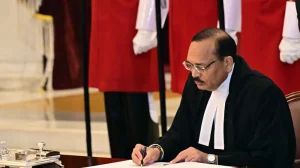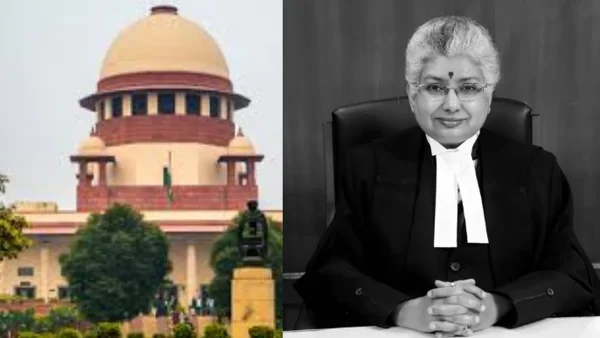
Justice Nagarathna said courts should lead on environmental justice and make sure our natural world is looked after, the public is held responsible, and people who are affected by environmental problems are protected. When she spoke at a memorial lecture in Ranchi, she said we haven’ and don’t own the environment; instead we’ve received it from the past and are managing it for the future. This connects our values as defined in the Constitution with taking care of nature and shows the courts are responsible for both people living now and those yet to be born.
Judicial stewardship and the trust doctrine
She explained that the environment isn’t something the people currently living have complete ownership over. Instead, we inherited it from those before us and are managing it for those who will come later. This idea ties together the values in our Constitution with caring for the environment, and it means courts should act as protectors for both us and future generations.
Courts shaping environmental governance
Courts in many places are now really important in making environmental justice real. By interpreting the Constitution and enforcing basic rights, the court system can guide policy, create rules, and force the public to be held accountable when the lawmaking or executive branches aren’t doing enough.
Judges, she thinks, can make sure environmental protection and the rights of communities impacted by environmental issues are at the center of government. This means carefully looking at projects to see how they affect marginalized groups – those who often suffer the worst effects of pollution and the using up of resources, even though they are the least to blame.
Principles for judicial decision-making
Justice Nagarathna wants courts to create rules for preventing and being careful about things, based on the fact that science can be uncertain and there are risks to the environment. She stressed that fairness, a fair sharing of benefits and burdens, and people having a voice in decisions should all be included in the way environmental cases are decided, so that the solutions help poor and marginalized people.
She said that extending the “right to life” means understanding it as more than just staying alive, it includes being healthy, being treated with respect and having a good life. Courts should consider fairness to future generations and ensure decisions aren’t made that will harm their well-being for a quick benefit now.
Responding to scientific uncertainty and accelerating crises
The judge pointed out the judiciary’s unique position during this time of rapidly worsening environmental problems and complicated scientific information. Courts need to think differently about the law, use standards that fit the specific situation, and get advice from experts when they decide on solutions that will really work and be practical.
Court responses should be able to change and focus on stopping problems before they become permanent. This helps both ecosystems and communities be stronger in the long run, and it turns scientific warnings into legally enforceable requirements.
Policy implications and practical action
Justice Nagarathna isn’t saying courts should make policy instead of politicians. But she does think they should ensure that government is responsible and respects rights. Judges can ask for evaluations of the impact of things, require problems to be fixed and check that people are following the rules, while encouraging democratic institutions to make clear rules about environmental justice.
To help the courts, groups in the public, lawyers and government agencies need to work together to provide good information and what people in communities think. More public involvement and openness in how decisions are made will mean court orders are more in line with what people need and the state of the environment.
Courts that actively use their power as defined in the Constitution can fill the gaps between the law, science and policy. By prioritizing fairness, being cautious and requiring accountability, the court system can improve environmental justice and protect both people alive today and those who will come after us.