Yelahank’s notion of power ceased March 12, 6 a.m. onward: The godson GAIL pipeline was sipped. The power generation should be green-fielded; hence, the gas facility built by KPCL has been closed, with no fuel in sight as to energy improvement or end policy to water the lawn essentially, gas has been referred to as of regulating a product.
While in the ocean of industries, the porpoise of gas has needfully jumped to the canning of gas as few select gas sources are left: LPG, even oil domestic help, acting crews of CNG formation, and network maintenance, with power generation now on the lowest list.
WHY YELAHANKA PLANT IS IMPORTANT FOR BENGALURU AND KARNATAKA
Karnataka has a variety of generation technologies, yet Yelateda stands alone in its system role. Gas turbines can come online quickly, can provide peaking capacity at moments of high demand, or when output from renewables and solar are down. This intrinsic flexibility strengthens the grid supply of Bengaluru as she faces some rapid changes in urban electrical usage.
Up until the announcement of its evacuation on December 2025, the Yelahanka Unit had been up-and-running without any stoppage-to help with demand management. Without it, the system is devoid of a fast-response resource, and services using slower ramping thermal and hydro resources and the central grid for balancing services will be more relied upon.
How Karnataka is managing demand in the absence of Yelahanka
Currently, Karnataka uses around 355 million units per day. An assortment of coal-powered plants, hydro projects, and wind and solar power generation are applied to meet supply. Besides buying power from other states in exchange agreements to prop up supplies and maintain the stability of distribution systems, peak-time monitoring is essential.
It is being held up for now, but they are watching peak windows diligently. Grid controllers are shifting the schedules and reserve margins to compensate for the lost peaking capacity that was provided by the Yelahanka gas plant.
Priorities under the Press Note 3(2026) CGD Regulations for Natural Gas Supply Establishments
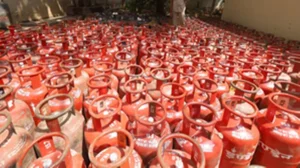
The latest order seeks to preserve vital services during a worldwide supply crunch. At priority-1 are supplies for domestic PNG connections, LPG production, CNG for transportation, and other important pipeline services, each of which shall have no less than 100% of the recent average consumption. Fertilizer producers are next with almost 70 percent allocations.
Tenant customers fall into lower categories, while electrical generation is placed last. This suggests gas-fired power plants will only be supplied when there is a surplus, a situation that is quite difficult until the international tightness lasts there being more plant curtailment in Yelahanka.
Outlook and Risks as Long as There Is a Deficiency
The gas shortfall is attributable to wider disruptions in energy flows connected to geopolitical crises in West Asia. Should such disruptions linger, the supply of gas to plants like Yelahanka will also be limited, thus threatening the possibility of localized demand shutdowns in extreme heat or sudden fluctuations in demand.
Energy specialists claim an extended shortfall could force states to opt for costlier alternatives or imports. At present, Karnataka is cooperating with central agencies an utilities to manage reserves, optimize scheduling, and minimize curtailments while keeping tabs on the changes in the global energy landscape.