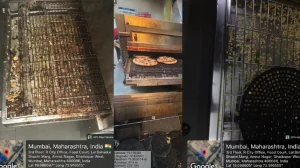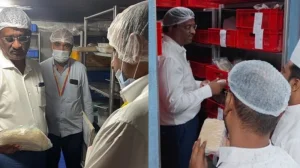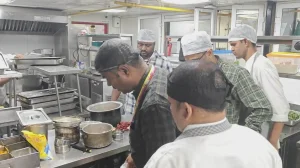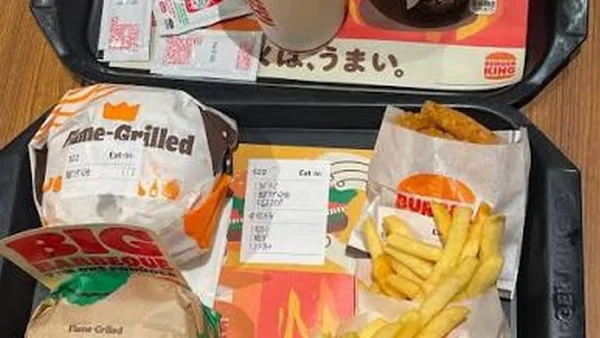
Pune’s well-known Burger King outlet at Camp, reportedly operating since 1992, has been sealed following an inspection by Maharashtra’s Food and Drug Administration (FDA).
The action reportedly followed the detection of serious hygiene deficiencies and violations of food-safety requirements, with the outlet’s food licence also suspended.
The development has attracted attention because the outlet has been operating for decades and is a familiar name for generations of Pune residents.
But the message from the regulator is straightforward:
Longevity is not a food-safety certificate.
Established in 1992 Doesn’t Mean Exempt From the Rules
For a business that has operated for more than three decades, regulatory action can be particularly damaging to its reputation.
But the principle is important.
A restaurant that opened in 1992 must meet today’s food-safety requirements just as a restaurant that opened yesterday must.
Food safety standards evolve because scientific understanding, consumer expectations and regulatory requirements evolve.
A decades-old establishment cannot argue:
“We’ve been serving customers for years, so we must be safe.”
That isn’t evidence.
Food safety must be demonstrated through current compliance—not historical reputation.
What Did the FDA Find?
According to the reports surrounding the action, the inspection identified serious hygiene deficiencies and food-safety violations.
The reported action includes:
Sealing of the outlet
Suspension of its food licence
Regulatory action over hygiene deficiencies
Action under applicable food-safety regulations
The exact inspection findings, samples collected and laboratory results, if any, should be made available through the appropriate authorities.
That distinction matters.
A regulatory action is serious, but the public should also know precisely what violations were documented and what corrective measures are required.
Why Restaurant Kitchens Need More Scrutiny
Customers see the dining area.
They don’t see:
How ingredients are stored.
Whether refrigerators maintain proper temperatures.
How frequently surfaces are sanitised.
Whether raw and cooked food are properly separated.
Whether expired ingredients are discarded.
Whether pests are controlled.
Whether workers follow hygiene protocols.
How cleaning chemicals are stored.
The kitchen door hides the most important part of the food business. That is why inspections matter.
Consumers cannot independently inspect a restaurant kitchen every time they order a burger.
They rely on the restaurant—and ultimately on regulators—to ensure basic safety standards are being followed.
The Bigger Question: How Regularly Are Big Restaurants Inspected?
The Burger King action should also prompt a broader question.
If a major, high-profile restaurant can face serious regulatory action, how frequently are other large food outlets being inspected?
And are inspections:
risk-based?
random?
regular?
transparent?
The public should not have to wait for a controversy or complaint before learning about food-safety conditions.
A strong system should detect violations before they become a public-health problem.
This Is Not About Burger King Alone
It is important not to turn the action into an indictment of an entire global brand based on the findings at one outlet.
A single outlet’s compliance situation does not automatically establish the practices of every Burger King restaurant.
The responsibility is to establish the facts concerning this particular outlet, its operator and its food-safety systems.
The company or outlet operator should also have an opportunity to respond and take corrective action where violations are found.
Regulation should be firm—but it should also be evidence-based and fair.
The Customer Deserves to Know
Perhaps the strongest takeaway is transparency.
When an outlet is sealed for food-safety reasons, customers deserve answers:
What exactly was found?
Was unsafe food being served?
Were samples tested?
How long had the violations existed?
Were customers exposed to a health risk?
What must the outlet do before reopening?
Who will verify compliance?
A licence suspension should not be the end of the story.
The public deserves to know what happens next.
Tukaram Mundhe’s Enforcement Model Under the Microscope
The action has also brought renewed attention to Maharashtra Food Commissioner Tukaram Mundhe, who has developed a reputation for aggressive enforcement.
Supporters see such actions as evidence that food-safety regulations are finally being applied without fear of the size or reputation of the business involved.
That message is powerful:
A small roadside vendor and a famous restaurant should face the same food-safety rules.
But enforcement must always follow due process.
Businesses must be able to challenge findings through the prescribed legal mechanisms, and regulators must be prepared to defend their actions with evidence.
Strong enforcement and procedural fairness should go together.
Could This Lead to Another Transfer Controversy?
Political commentary around Mundhe has already focused heavily on his history of transfers and his reputation for taking action against establishments that allegedly violate regulations.
Some supporters are now predicting that he will eventually be transferred again.
That is speculation unless an actual transfer order is issued.
Rather than predicting his next posting, the more important institutional question is:
Should effective enforcement depend on the personal courage of one officer? The answer should be no.
A functioning regulatory system should continue enforcing food-safety standards regardless of which officer occupies the post.
What Should Happen Before the Outlet Reopens?
If the reported violations are confirmed, reopening should follow a transparent compliance process.
The operator should demonstrate:
Complete sanitation
The premises must meet prescribed hygiene requirements.
Safe food storage
Ingredients should be stored appropriately and monitored.
Proper pest control
Any infestation or risk should be addressed.
Staff hygiene
Food handlers should receive appropriate training and follow hygiene protocols.
Documentation
Required food-safety records should be maintained.
Follow-up inspection
An independent regulatory inspection should verify compliance before normal operations resume.
The Real Test Isn’t Sealing a Restaurant
Sealing an establishment creates headlines.
But the real measure of effective enforcement is what happens afterward.
Was the problem fixed?
Was anyone held accountable?
Were customers protected?
Did the business improve its systems?
Will inspectors return?
If the answer to those questions is yes, then regulatory action has achieved something meaningful.
Otherwise, a seal on a restaurant door becomes little more than a temporary spectacle.
Final Word
The reported sealing of Pune’s Camp Burger King outlet is a reminder that food-safety compliance cannot be based on reputation, brand recognition or how long a restaurant has been operating.
If serious violations are established, action is justified—whether the establishment is 30 years old or three months old.
At the same time, the public deserves complete facts, the business deserves due process and the regulator must be able to substantiate every finding.
The bigger lesson is simple:
A famous name does not make a kitchen safe. Customers cannot see what happens behind the kitchen door.
That’s why inspections matter.
And if an outlet is found violating food-safety rules, the question shouldn’t be “How famous is the restaurant?”
It should be: “Is the food safe?” If the answer is no, the regulator has every reason to act.