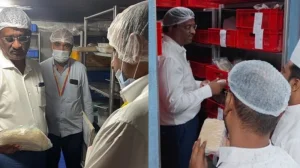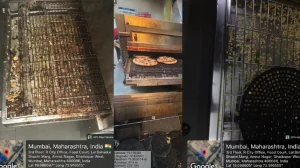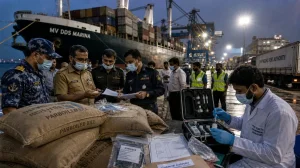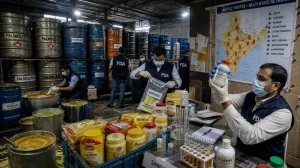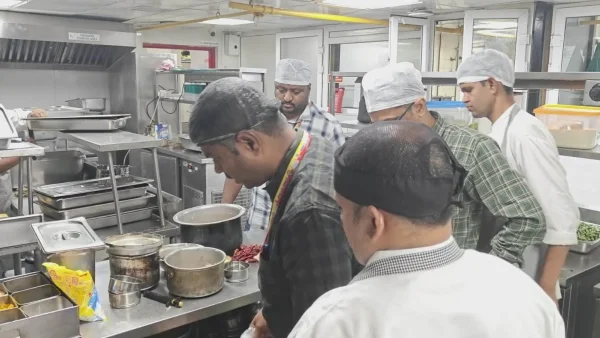
A food-safety inspection at an Apollo hospital canteen in Bengaluru has raised serious questions about hygiene and food-storage practices after officials reportedly found expired food ingredients, stale bread and misbranded products during a raid.
Among the items reportedly found beyond their expiry dates were rava, icing sugar and maida. Officials also recovered stale bread and products allegedly carrying improper or misleading labelling.
The findings are particularly concerning because the food was being stored and prepared inside a hospital environment, where patients, attendants and healthcare workers may be especially vulnerable to food-borne illnesses.
Why Expired Ingredients Inside a Hospital Matter
Finding an expired packet of food in an ordinary kitchen would already be a food-safety concern.
Finding expired ingredients in a hospital canteen raises the stakes considerably.
Hospital premises cater to people who may include:
Patients with weakened immunity
Elderly people
Children
People recovering from surgery
Individuals undergoing intensive treatment
Pregnant women
Healthcare workers and attendants
For such consumers, contaminated or improperly stored food can potentially have more serious consequences than for a healthy individual.
A hospital is supposed to be a place of healing. Its food facilities should not become another source of risk.
Rava, Icing Sugar and Maida: What Was Found?
According to the reported inspection findings, officials came across expired stocks including rava, icing sugar and maida.
These ingredients can be used in the preparation of a variety of food products.
The issue is not simply whether an expired packet was actually served to a customer.
The more fundamental question is:
Why were expired ingredients still present in a commercial food-preparation facility in the first place? Food businesses are expected to maintain proper stock rotation and regularly remove expired products.
A basic first-expiry-first-out (FEFO) system can help prevent precisely this problem.
Stale Bread Adds Another Concern
Officials reportedly also found stale bread during the inspection.
Bread is particularly vulnerable to deterioration when it is stored improperly or kept beyond its recommended shelf life.
The discovery raises questions about:
Storage conditions
Stock monitoring
Refrigeration where required
Date-checking procedures
Kitchen supervision
Disposal of rejected or expired products
If food is not fit for consumption, it should never reach the preparation or serving stage.
What About the Misbranded Products?
The reported recovery of misbranded products adds another layer to the controversy.
Food labelling is not merely a formality.
Consumers need accurate information about products, including details such as:
Product identity
Ingredients
Dates
Manufacturer information
Net quantity
Relevant food-safety declarations
Misleading or incomplete labelling can make it difficult for consumers to know exactly what they are eating.
In a hospital setting, that information can become even more important because some patients may have allergies, dietary restrictions or medical conditions requiring specific diets.
The Bigger Question: Who Was Checking the Kitchen?
A food-safety raid naturally raises another question:
Why did these products remain there until an external inspection? A professionally managed hospital canteen should have routine internal checks.
There should ideally be:
Daily stock inspections.
Expiry-date monitoring.
Proper storage records.
Kitchen hygiene audits.
Temperature monitoring where applicable.
Clear disposal procedures.
Staff training.
If expired ingredients are found during an official inspection, hospital management should explain whether its own internal monitoring systems failed to detect them.
This Is Not About One Expired Packet
It would be easy to dismiss the episode by saying:
“Perhaps nobody used the expired ingredients.”
But that misses the larger issue.
Food safety works on prevention, not luck.
A consumer should not have to hope that the expired ingredient sitting in a kitchen was never used.
The system should ensure that it cannot be used in the first place.
What Should Authorities Do Now?
The health and food-safety authorities should establish the full facts.
The investigation should determine:
How long had the expired products been stored?
Were any of them used in food preparation?
Were the items properly segregated from usable stock?
How much expired food was recovered?
Were storage temperatures being monitored?
Were food-safety records properly maintained?
Who was responsible for stock verification?
Were the misbranded products compliant with labelling requirements?
Were samples collected for laboratory testing?
What action has been taken against the food-business operator, if violations are confirmed?
These answers matter more than simply announcing that a raid took place.
Apollo Hospital Must Also Answer Questions
Regulatory authorities have their role, but the hospital cannot simply leave the matter to inspectors.
If the reported violations are confirmed, the hospital’s management should publicly explain:
How expired ingredients entered its food-storage system;
Whether patients consumed food prepared using those ingredients;
What internal checks were being conducted;
Whether the canteen is directly operated or outsourced;
What corrective measures have been ordered.
Transparency is especially important when the facility serves patients.
The “Hospital = Safe Food” Assumption Needs Challenging
Many people automatically assume that food served inside a major hospital is subject to exceptionally strict controls.
That assumption should be justified by actual systems—not by the hospital’s reputation.
A famous healthcare brand may have excellent medical facilities, but food safety is a separate operational responsibility.
A hospital kitchen requires the same seriousness as any other institutional food operation—and arguably more.
One Inspection Should Become a Warning for the Entire Sector
The Bengaluru incident should not be treated merely as an isolated controversy involving one canteen.
Hospitals across India often have:
Cafeterias
Patient kitchens
Staff canteens
Outsourced food vendors
Food carts and kiosks
Regular inspections should ensure that these facilities maintain proper standards.
Food-safety authorities should consider risk-based inspections of hospital food facilities, particularly those serving large numbers of patients and visitors.
A Hospital Should Heal, Not Gamble With Food Safety
There is a simple principle at the heart of this controversy:
Expired food has no place in a hospital kitchen. Rava, icing sugar, maida, bread or any other ingredient may look harmless individually. But once expiry controls, storage practices and labelling standards begin to fail, the entire food-safety chain becomes questionable.
And patients shouldn’t have to wonder whether the meal served to them is safe.
Final Word
The reported discovery of expired rava, icing sugar and maida, stale bread and misbranded products during an inspection of an Apollo hospital canteen in Bengaluru is a matter that deserves a proper investigation—not merely a headline.
The crucial question now is not simply what inspectors found.
It is: How did those products get there, why weren’t they detected earlier, and did any reach consumers? If violations are confirmed, the response should go beyond penalties.
There should be accountability, corrective action, stronger internal audits and transparent disclosure of what happened.
Because when people walk into a hospital, they are already dealing with enough uncertainty.
The safety of the food they are served should not be another one.