The UN is saying the DRC is in for a $3.6 billion hit from this. A new look at the numbers on June 30, 2026 puts a finger on the risks to basic services and the poor. According to the UNDP, if things get worse, you could be talking 985,000 more people in poverty.
In a way, it redefines what an emergency is – not just in terms of health but development. “Ebola does not stop at the hospital gate,” is how Ahunna Eziakonwa, the UNDP’s head for Africa, puts it. He is pointing to the knock-on effects for everything from public finances to food security and even the trust people have in their institutions.
Then there is the matter of travel and trade curbs. The UNDP says they are having the unintended effect of grinding down local economies and the kind of informal work that so many rely on. They are on record saying the crisis could wipe out tens of thousands of positions if the shockwaves from the region or the world get any stronger.
Why the cost could spiral
Even with transmission held in check in the DRC and Uganda, the UNDP’s figures show the damage. For the DRC alone, we are looking at over $1 billion in real GDP and 55,000 jobs gone.
On a continental level, between border issues, transport hold-ups and a lack of confidence, you could see the GDP in Africa drop by $2.37 billion and some 90,000 formal jobs disappear.
Put in some other variables – say, trouble in the Middle East or oil prices going up – and you have the potential for $3.6 billion in losses and 328,000 fewer jobs in Africa.
Human toll beyond the headline numbers
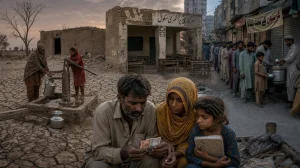
When you dig into the assessment, the bottom 20 percent of households are in for a 1.76 per cent cut in what they can put on the table each day. That is 985,000 people being pushed into poverty. And women will feel it more, given what they do in cross-border trade, in care and on the front lines of health.
You see the spillover in the services that matter. In the DRC, with resources being pulled in other directions, there could be as many as 2,520 more babies who don’t make it for reasons other than Ebola. Schools are in the line of fire too: we’re estimating 34,000 to 36,000 primary school leavers in the DRC and another 4,100 to 4,500 in Uganda.
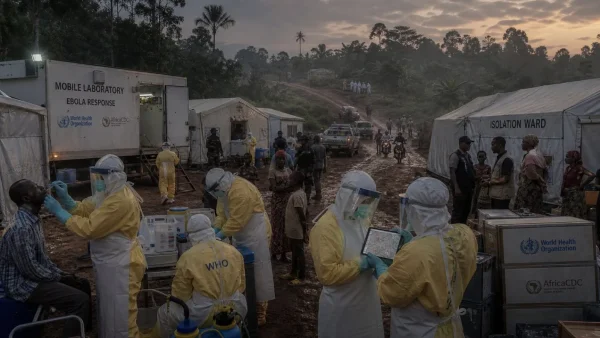
Ituri province, with its history of conflict, is ground zero. This is the 17th time the DRC has had to deal with Ebola, and with the Bundibugyo strain there is no vaccine or cure to be had.
Latest epidemiological snapshot
As of the UNDP’s report on June 30, 2026, the DRC has 1,118 confirmed cases and 291 dead. Next door in Uganda, 20 cases and two deaths have been put on the record.
The WHO has a different set of numbers, which come up in UN statements: 1,333 cases and 399 in the DRC, with 189 recoveries. It is a reminder of how fluid the reporting can be when an outbreak is moving fast.
What UNDP says should change
The agency’s view is that you can have your health and your economy if you put the right safeguards in place. They are after a policy mix with some gender-sensitivity to it, one that has these recommendations at the top of the list:
– Put cash in the hands of those who need it most
– Subsidies for the consumption of women-led homes
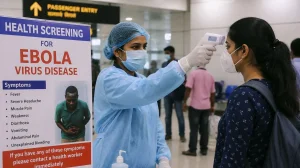
– Do away with blanket border closures in favour of some focused screening
– Let the informal cross-border trade happen in a safe way
– Some emergency money for maternal and child health
What to watch next
It all comes down to whether governments can find a way to protect lives and a living at the same time. The UNDP is for a shift from closing the books to some more targeted measures, and the kind of funding that will let schools and health systems stay in business.
Make no mistake, the fallout will be hard to take. But the real danger is when you have one thing piling on top of another. That is how you get to $3.6 billion in losses and 328,000 jobs in the dust, undoing years of progress, unless the region gets together and acts.