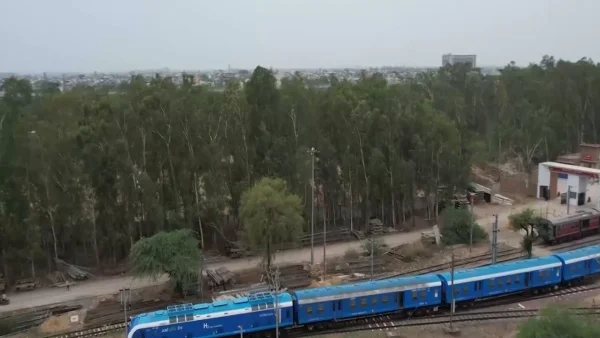
India’s first hydrogen-powered train is undoubtedly a milestone in the country’s railway modernization journey. Cleaner technology, futuristic transport, and a step toward sustainable mobility—it’s the kind of story every nation wants to celebrate.
But as the applause faded, another video began doing the rounds on social media.
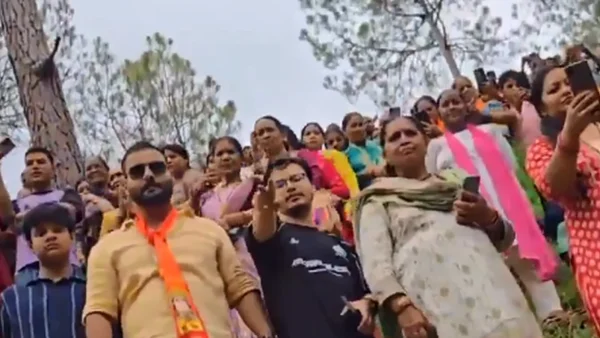
The viral clips allegedly show temporary tiles laid for VIP parking and movement being removed soon after the inauguration ceremony at Jind, Haryana.
And just like that, the conversation shifted.
From “India’s first hydrogen train” to “Where did the road go?”
Sometimes, the inauguration lasts longer than the infrastructure.
A Hydrogen Train for the Future… and a Parking Road for the Afternoon?
The train is designed to run for years.
The temporary road, according to the viral claims, reportedly had a much shorter career.
Social media users were quick to react.
One joked:
“The hydrogen train has a long-term future. The VIP tiles apparently had a same-day return policy.”
Another wrote:
“Even the tiles knew their job ended after the ribbon-cutting.”
While the comments are humorous, they also reflect a broader public concern: Should taxpayer-funded temporary arrangements become part of major public events?
If the Tiles Were Temporary, Citizens Want Answers
If the viral videos accurately reflect what happened, several legitimate questions arise.
Who Approved the Temporary Construction?
Were the tiles always intended to be temporary?
Were they installed solely to facilitate the inauguration?
What was the cost of installing and removing them?
Which department sanctioned the work?
Was the expenditure part of the project’s approved budget?
Transparency around these questions would help address public concerns.
When the Ceremony Ends, the Questions Begin
India has invested heavily in railway infrastructure over the past decade, with new stations, bridges, electrification projects, and modern trains.
That progress is widely recognized.
However, incidents that raise questions about event-related arrangements can quickly overshadow the larger achievement.
Citizens generally judge infrastructure by how well it serves people after the cameras leave—not only by how it looks during an inauguration.
Public Reaction: “We Need Permanent Development, Not Temporary Decorations”
The incident sparked a wave of online reactions.
Some comments included:
“The train is hydrogen-powered. The road seems inauguration-powered.”
“Looks like the tiles had a VIP pass that expired with the event.”
“Public money deserves permanent infrastructure, not temporary appearances.”
Others urged the authorities to clarify whether the temporary arrangements were part of standard event management or a separate expenditure.
The Bigger Question Isn’t About Tiles
The hydrogen train remains an important technological achievement.
But the discussion now extends beyond the train itself.
It touches on a broader issue: How should public money be spent during high-profile inaugurations?
If temporary infrastructure was installed, citizens are entitled to know:
Was it necessary?
Was it cost-effective?
Could a permanent solution have served the same purpose?
These are questions of governance and accountability rather than politics.
The Bottom Line
India’s first hydrogen train deserves attention for its contribution to cleaner transportation and railway innovation.
At the same time, if temporary infrastructure was indeed installed and removed immediately after the event, it is reasonable for the public to seek transparency about the planning and expenditure involved.
Because history remembers great infrastructure for lasting decades—not for disappearing after the inaugural photographs are taken.