If you look at the DGCA figures, traffic in April was a touch over 1.38 crore, down 4.2 per cent from 1.44 crore in March. It was a case of softer demand and steeper operating bills. The shifting of market share made for a sterner tussle between IndiGo, the Air India Group and some of the new kids on the block.
Why the slowdown matters
The DGCA has the numbers: 575.49 lakhs of passengers in the first four months of 2026, versus 575.13 lakhs in the same period last year. That’s 0.06% in a year, but -3.47% for the month. Some airlines have been reining in parts of their network in light of the weaker conditions.
Some of the headwinds we are seeing this summer:
– Fuel is making operating costs what they are
– A bit of a letdown in demand in April
– A few routes with capacity pulled back for now
Winners and losers in market share
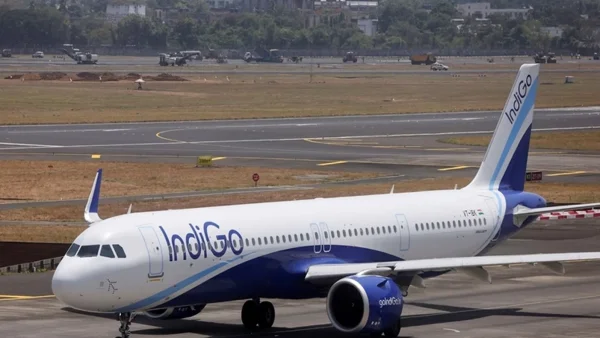
IndiGo has made its position even more of a no-contest. In April it was at 65 per cent, up from 63.3 per cent in March. You could see the strain on the Air India Group, which went from 26.2 per cent to 24.7 per cent as the market shrank around them.
Then there are the smaller names. Akasa Air has been on a quiet run, moving to 5.8 per cent from 5.4 per cent. SpiceJet’s piece of the pie is 3.4 per cent, down from 3.8 per cent. Alliance Air, the state-run one, is at 0.3 per cent after 0.6 per cent – part of the way things are being consolidated with the big boys.
Operational reliability gap widens
You can tell the difference in brands by how on time they are. IndiGo was best in class in April with 88.5 per cent On-Time Performance. The Air India Group was 82.4 per cent and Akasa 81.4 per cent. Alliance Air was 71.2 per cent; SpiceJet was left behind at 31.2 per cent.
We’re talking about the top ten airports here – from Bangalore and Delhi to Mumbai and Hyderabad. There was some friction: roughly 1.12 per cent of flights were held up for two hours or more, on top of the other pressures.
Passenger experience and redress
Complaints have ticked up with the strain. The DGCA says the scheduled carriers fielded 3,266 of them in April, a rate of 2.36 per 10,000 pax. It’s a fair view of the kind of service hiccups you get when you are in the middle of a reset.
And the DGCA has the rest of the story: more than 1.35 lakh people were put off by delays, with the tab for facilitation running to just over Rs 2.41 crore. Cancellations hit 77,065, and the airlines have put out Rs 2.04 crore to make good on that. As for the 641 who were turned away at the gate, the cost to the carriers was Rs 57.65 lakh.
Traffic trends in context
Over 1.38 crore were in the air in April, 3.47 per cent less than the 1.43 crore you’d have seen a year ago. Whether you look at it month-on-month or year-on-year, the moderation is there, and it comes down to the squeeze on both the cost side and the demand side.
It makes for a clear line in the sand between IndiGo’s progress and the Air India Group’s. With some retooling of networks in the offing, the focus is on holding onto yields and being on time. For now, the DGCA’s monthly readout is the only measure that really counts.