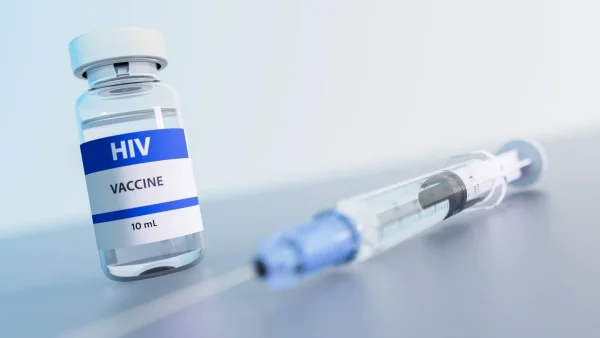
South Africa is in the process of rolling out this bi-annual shot, which may alter the course of new infections, though not without some debate over who can get it. A $29 million grant has put doses within reach for 456,000 for the next 12 months, but you will hear from advocates who are pushing for the programme to go further and faster.
The numbers make it a matter of some urgency: over 8 million have the virus and as many as 170,000 are infected in a given year. President Cyril Ramaphosa has put his stamp on the lenacapavir injection as a moment of change. In short, it is a way to put aside the hassle of a daily regimen for something more unobtrusive that you only need every six months.
Why this injection could change daily life
Take 19-year-old Olwam Plaatjie. Having seen family and friends have to live with HIV and its treatment, she sees the value in it. She was part of the trials because she knew she couldn’t keep up with a once-dose-a-day. There have been some night sweats and the like, but she has stuck with the shot.
It comes down to this: get rid of what stands in the way of following through and offer some cover to the ones in the line of fire. You see it with young women and others put off by the stigma or the tedium of pills, or just a disorganised day. An injection you don’t have to think about for half a year is easy to fit in when you are also working, looking after kids and worrying about your safety.
Supply, price and the race to manufacture locally
By the government’s count, the $29 million from the Global Fund will see 456,000 covered for a year. After that, Health Minister Aaron Motsoaledi says they will be putting up the money themselves, with some donor support to make up the difference.
Then there is the cost, which is tied up in where it is made. Gilead has put in place a voluntary licence for a local firm to produce it, much like with six other licences last year. That opens the door for generics in lower-middle-income nations at $40 a head a year, a far cry from the $28,000 it used to run.
Once a panel has picked the right company, we will be making it here, the minister put it. But activists would like to see things move along. Tian Johnson of the African Alliance doesn’t see why the communities that were part of the trials should be left in limbo while the original maker makes up its mind. “We are still waiting for Gilead to tell us what we are going to be getting,” he said.
Who gets it first, and why access is complicated
You will find the first 37,920 of these in 360 clinics in six provinces. The priority is for those with the most exposure: drug users, sex workers, trans people, and women between 15 and 24, whether they are of child-bearing age or already have children.
But it is not as simple as having the stock on a shelf. Some of the places in the community you could rely on are no longer there, a casualty of the U.S. pulling back aid under Trump. Bellinda Thibela of the Health Global Access Project says that in the public system you put up with long waits and the way some staff treat you.
Motsoaledi concedes that when the 12 U.S.-backed clinics had to close, their patients were moved to state-run ones and they are working on better training and some privacy. “What we have lost is that confidentiality … where they feel very safe.” We are in the process of training up our doctors to step in and make it happen.
If you have been following how this is being put in place, here are the hard numbers for now:
– 37,920 doses to start with
– 360 sites across six provinces
– A priority on those at the highest risk
The case for the shot and the matter of scale
Gilead Sciences’ lenacapavir has been put through its paces in trials in South Africa and Uganda. In one key study out of Johannesburg, a six-month injection was 100% effective at warding off HIV. “You could call it a breakthrough,” says Dr Nkosi Ndlovu of Wits RHI.
But numbers on a page don’t change the national picture if you can’t get the drug where it needs to be. “South Africa has the potential to do something significant for new HIV cases, but only if we can roll it out in an even-handed way and on a large enough scale,” Leila Mansoor from the University of KwaZulu-Natal puts it.
Scale is what everyone is talking about. Some in civil society say you need 2 million doses a year to really put a dent in the epidemic. Ramaphosa has put his name to a 3-million target for the next three years, though the fine print on how to get there is still missing.
Then there is the fact that local scientists and the people in the trials are the ones who made this possible. Johnson is quick to point out that those same communities are left wondering about the when and how of supply and access.
The health ministry is looking at the Global Fund’s backing as a way to get started, not an end in itself. They plan to keep the programme going with some donor help after the first year, and a manufacturing licence should bring down costs.
Take Plaatjie. She has seen relatives waste away and put in for clinic after clinic. The injection is an alternative. For a woman her age in a high-risk area, having to come in twice a year is much more doable.
There are still some nitty-gritty issues to work out. A lot of the people we want to reach won’t go to a public facility because of the stigma. Thibela is calling for us to put some money into outreach and proper services so we don’t let them slip through the cracks.
In the coming months, it will be a test of logistics, not of the science. You can put the dose in the right clinic, but can you make the visit private and unobtrusive? We’ll be watching to see if the government’s new training and the private rooms they’re setting up hold up.
Do the pieces fit together and lenacapavir could be a game-changer in a country with the world’s heaviest load. The 100% figure from the study has put a lot of pressure on us to deliver. It comes down to whether folks can get the shot, time and again, and without any side-eye.
Under all the press, it is about giving people options. This isn’t to supplant what we have, but to add to it. If you aren’t one to pop a pill every day, here is another way to be safe.
Experts will be on two figures to see if we are making headway: uptake and how fair the distribution is. Hitting that 3 million mark while also answering the demand for 2 million a year will tell us where we stand.
We have put a new chapter in HIV prevention on the table. If it is to be the kind of shift our leaders are touting, it will come down to moving product, keeping things confidential and making sure the most vulnerable feel welcome.