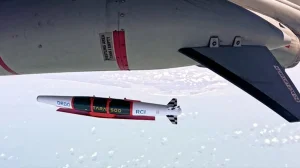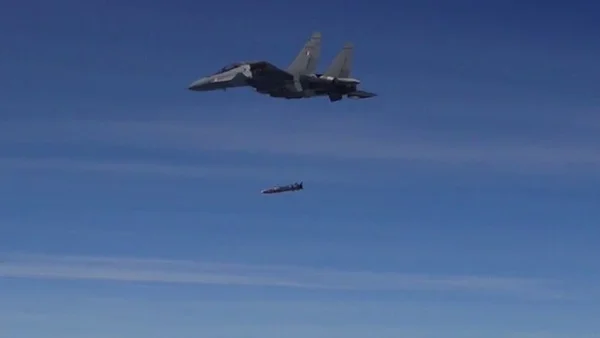
The numbers don’t lie – the IAF and DRDO have given Indian air power a sharpness it didn’t have before. In a no-nonsense trial from a Su-30MKI, they proved the RudraM-II can be let go under tough conditions and still find its mark. A big move for Aatmanirbharta in the weapons space.
Why this is a win for the IAF
When you are in the cockpit, it comes down to how far you can reach and how sure you are of the result. The RudraM-II is a force multiplier for high-speed, standoff hits on what matters. Down the line, it will be putting out the old Kh-31 anti-radiation missiles we have been using.
You can run this off a Sukhoi at anywhere between 3 and 15 km up. That kind of leeway is what you want when enemy defences are in play and you need to plan your exit as well as your entry.
Running the numbers on the trial
They made the flight-tests happen from the Integrated Test Range in Chandipur. The ministry says they left no stone unturned; all the objectives were ticked off, with the range instruments to back it up.
Once the missile was in the air, it was on to a pre-set target with no room for error. By all accounts, the test put to rest any questions about the performance of the key subsystems along the way.
What you’ll see in the cockpit with the RudraM-II
It’s not just one thing that makes it work. There is a hybrid navigation set-up – inertial, GPS and a passive homing head. The seeker is what does the heavy lifting, picking up radio frequency emissions over a broad band to zero in on a radar-linked target.
We are talking Mach 5.5 top speed on this indigenous piece of kit. It has a 300 km or so to cover and can put 200 kg of warhead where you want it.
Key takeaways
If you want the highlights of the day:
– Put to the test on a Su-30MKI in some rough conditions
– Nailed a predefined target with pin-point accuracy
– Instruments on the ground vouched for the results
– A mix of nav systems and a passive homing head
– The end of the road for the older Kh-31s
An Indian build, with plenty of support behind it
This is the work of the Research Centre Imarat in Hyderabad, the DRDO lab in charge. But you have to give credit to the sister labs like the DRD, the High Energy Materials lab, Armament R&D and ITR as well.
Then there are the partners who had a hand in it. HAL, the Regional Centre for Military Airworthiness, the Missile System Quality Assurance Agency and a few from the industry side were instrumental in getting this to the finish line.
Word from the top and the way forward
Rajnath Singh had good words for everyone involved – the DRDO, the IAF, the agencies and the private sector. He called it proof of how far our own technologies have come and a lot to do with self-reliance in the arms field.
Now that we have seen what it can do, the RudraM-II is a must-have for the Su-30MKI. It is all about having the speed, the range and the right kind of seeker to shut down an opponent’s air defences when it counts.