A growing controversy in Uttar Pradesh over videos highlighting the condition of government schools has brought a sharp debate into the open: Should those exposing shortcomings in public institutions face police action, or should their reports be used as a tool to improve the system?
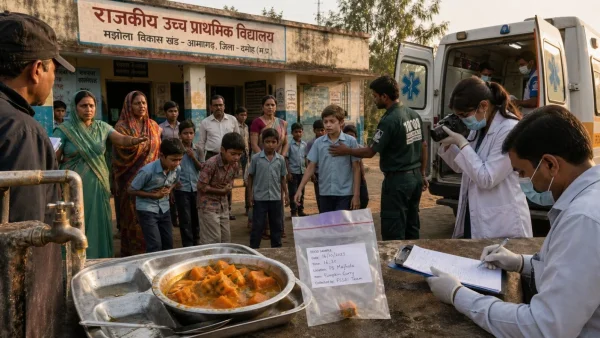
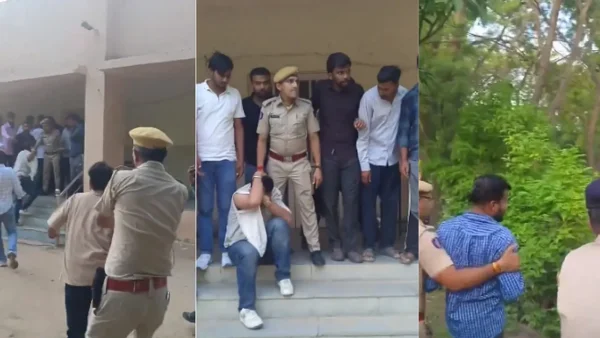
According to reports, FIRs have been filed in more than eight districts of Uttar Pradesh in connection with videos and public posts highlighting problems in government schools. The cases have raised concerns among those who argue that citizens and journalists should be able to document deficiencies in public institutions without intimidation.
At the same time, an interesting development has emerged from the controversy.
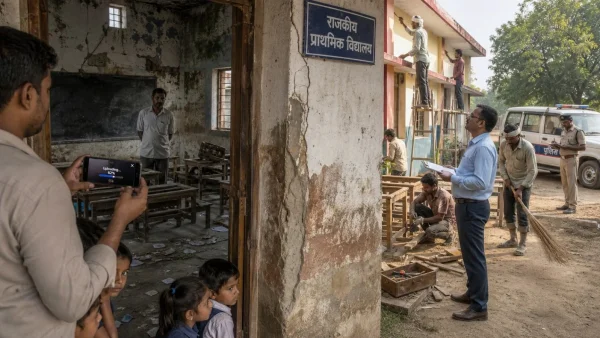
The videos appearing on public platforms have reportedly begun producing visible changes in several schools.
From videos to action
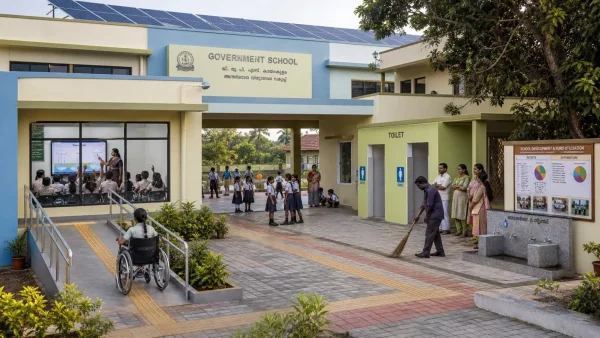
In some locations, schools have reportedly witnessed cleanliness drives after images and videos of poor sanitation were brought into the public domain.
In other places, authorities have reportedly begun repair and maintenance work, addressing problems that had remained visible for some time.
This has led to an unusual situation.
While the people documenting the problems may face legal action, the exposure itself appears to have created pressure for authorities to address some of the shortcomings.
The episode raises a fundamental question about accountability:
If public criticism results in government schools becoming cleaner, safer and better maintained, should the focus be on silencing the criticism—or fixing the problem being highlighted?
Government schools at the centre of scrutiny
Government schools are among the most important public institutions in rural and economically weaker communities. For millions of children, particularly in villages and small towns, the quality of these schools directly affects their educational opportunities.
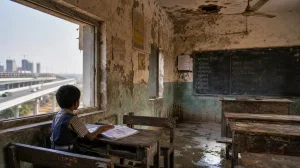
Problems such as inadequate sanitation, damaged buildings, broken furniture, poor maintenance and insufficient infrastructure can have a direct impact on students and teachers.
When such conditions are recorded and shared publicly, they can quickly attract attention from parents, local residents and officials.
Supporters of these ground reports argue that public visibility can become an accountability mechanism, particularly in places where complaints made through conventional channels may take time to produce results.
But where should the line be drawn?
The filing of FIRs has nevertheless raised questions about the limits of criticism and the circumstances under which recording or publishing material from government schools can lead to criminal proceedings.
Authorities may have legitimate concerns where videos are misleading, manipulated, defamatory, invade privacy or interfere with the functioning of schools.
However, critics argue that legitimate concerns about procedure should not become a substitute for addressing genuine deficiencies.
The distinction is crucial:
A misleading allegation can be challenged. A genuine infrastructure problem should be fixed.
Public platforms becoming an accountability tool
The developments also illustrate the growing influence of social media and public video platforms in bringing local administrative issues into the spotlight.
A problem that might once have remained confined to a village or school campus can now reach thousands—or even millions—of people within hours.
That visibility can create pressure for officials to respond quickly.
The reported cleanliness campaigns and repair work following the circulation of school-related videos suggest that public scrutiny, when based on genuine facts, can sometimes produce tangible administrative action.
The larger question
The controversy is therefore no longer simply about individual videos or individual FIRs.
It is about the relationship between citizen reporting, government accountability and freedom to question public institutions.
If shortcomings are being highlighted in government schools, the most important outcome should ultimately be better schools—not better public relations.
The ideal response to a documented problem should be straightforward:
Verify it. Fix it. Report the improvement.
Because when a video showing a dirty classroom results in a cleanliness drive, or footage of a damaged school building leads to repairs, the real beneficiary is not the person who made the video or the official who ordered the work.
It is the child who walks into that school the next morning.