A disturbing incident in Kanpur has raised fresh concerns about food safety, consumer awareness and the disposal of expired packaged food after boxes of allegedly expired chocolates, toffees and biscuits were reportedly found dumped on a garbage heap.
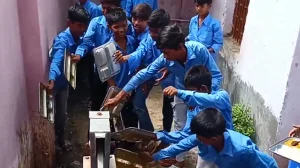
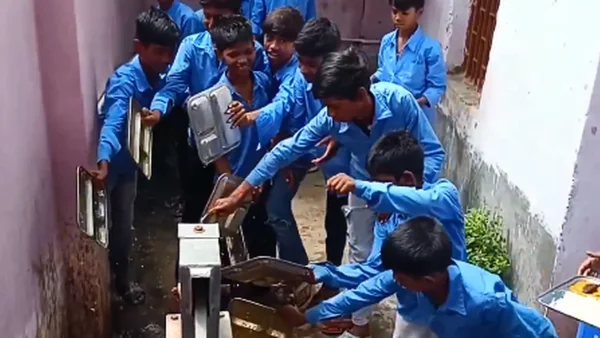
What made the incident particularly alarming was what happened next: people reportedly picked up the discarded food items and carried them away, apparently unaware of—or unconcerned about—the possible health risks associated with consuming expired products.
A garbage heap turns into a source of food
According to the account accompanying the viral footage, boxes containing chocolates, biscuits and other confectionery products were thrown onto a roadside garbage pile in Kanpur.
Instead of remaining there as waste, the discarded products reportedly attracted local residents, who began collecting them.
The incident has prompted questions about why expired food products were accessible to the public in the first place and whether the products had been properly removed from circulation.
Why expired food can be dangerous
Packaged food products carry dates and storage instructions for a reason.
Once a product has passed its applicable date, its safety and quality may no longer be assured, particularly if it has been improperly stored or exposed to heat, moisture or contamination.
For products such as chocolates, biscuits and confectionery, deterioration may not always be immediately obvious from appearance alone.
That is why expired food should never be recovered from waste and consumed simply because the packaging appears intact.
The bigger question: Who dumped the products?
The most important question is not merely why people collected the discarded products.
Authorities should determine:
Who discarded the food?
Where did the products come from?
Were they actually expired?
Why were they dumped where members of the public could access them?
Were the products withdrawn from a shop, warehouse or distributor?
Was the disposal carried out according to food-safety and waste-management requirements?
Could any of the products have re-entered the market?
If the products were genuinely expired and had been deliberately discarded, simply throwing them onto an open garbage heap may create another public-health problem.
Poverty and food safety collide
The incident also exposes a painful reality.
For someone struggling financially, a box of apparently unopened chocolates or biscuits lying on a garbage pile may look like an opportunity rather than hazardous waste.
That makes proper disposal particularly important.
Food that has been declared unfit for consumption should be made inaccessible to the public—not simply left where anyone can collect it.
What should authorities do?
The Kanpur administration and food-safety authorities should verify the incident and, if warranted, trace the source of the products.
If expired food was being sold or stored illegally, appropriate action should follow under applicable food-safety regulations.
At the same time, awareness campaigns should warn consumers:
Never consume food picked up from garbage, even if the packet appears sealed or undamaged.
Retailers and distributors should also maintain proper systems for removing expired stock and ensuring that it cannot be resold or consumed.
A disturbing sight, but an important warning
What happened in Kanpur is more than an unusual viral-video moment.
It raises a basic question about the country’s food-safety chain:
When expired food leaves the shop shelf, where does it actually go?
Removing unsafe food from sale is only the first step. Ensuring that it is safely destroyed and cannot reach vulnerable consumers again is equally important.
The incident should therefore prompt inspection, accountability and better disposal practices—not just outrage on social media.