OpenAI is preparing its first consumer device, a movable, screenless smart speaker positioned as an AI companion for the home, according to people familiar with the plans. The push puts the company on a collision course with Apple, Amazon, and Google as it eyes an IPO in the coming months.
Shares of Sonos slid more than 10% in late trading before trimming losses after the plans surfaced. Apple slipped less than 1% to a low of $313.52. The market reaction underscores how a credible new entrant can unsettle established audio and smart-home players.
A strategic bet on an AI-first home computer
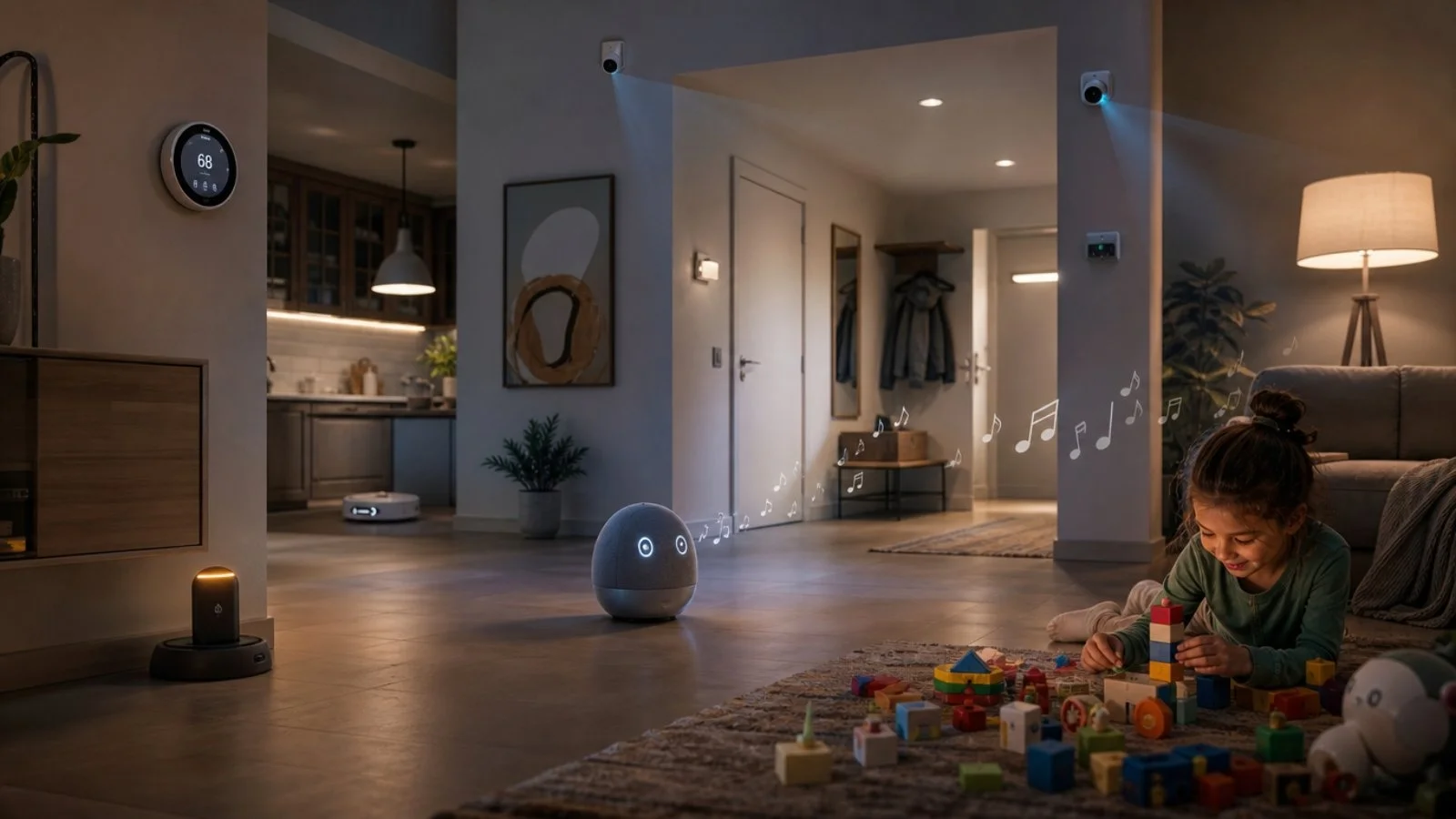
Rather than chasing the crowded smartphone category, OpenAI is building what insiders describe as a home computer for the AI era. The device aims to become a humanlike companion that lives in the home, not merely a passive speaker.
The company believes the defining advantage will be personality and proactivity. As it learns its owner, the system is designed to tailor assistance, anticipate needs, surface information, and serve as an expert on its user over time.
OpenAI internally frames the product as the first of its kind: a computer built for AI that helps busy people stay productive. The goal is to turn ChatGPT from an app into a physical presence that feels alive rather than a gadget that reacts to commands.
How it could compete with Big Tech at home
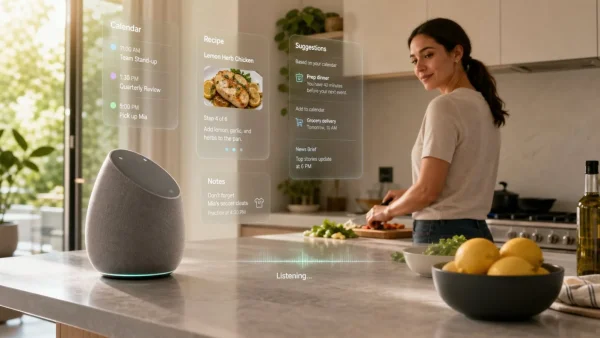
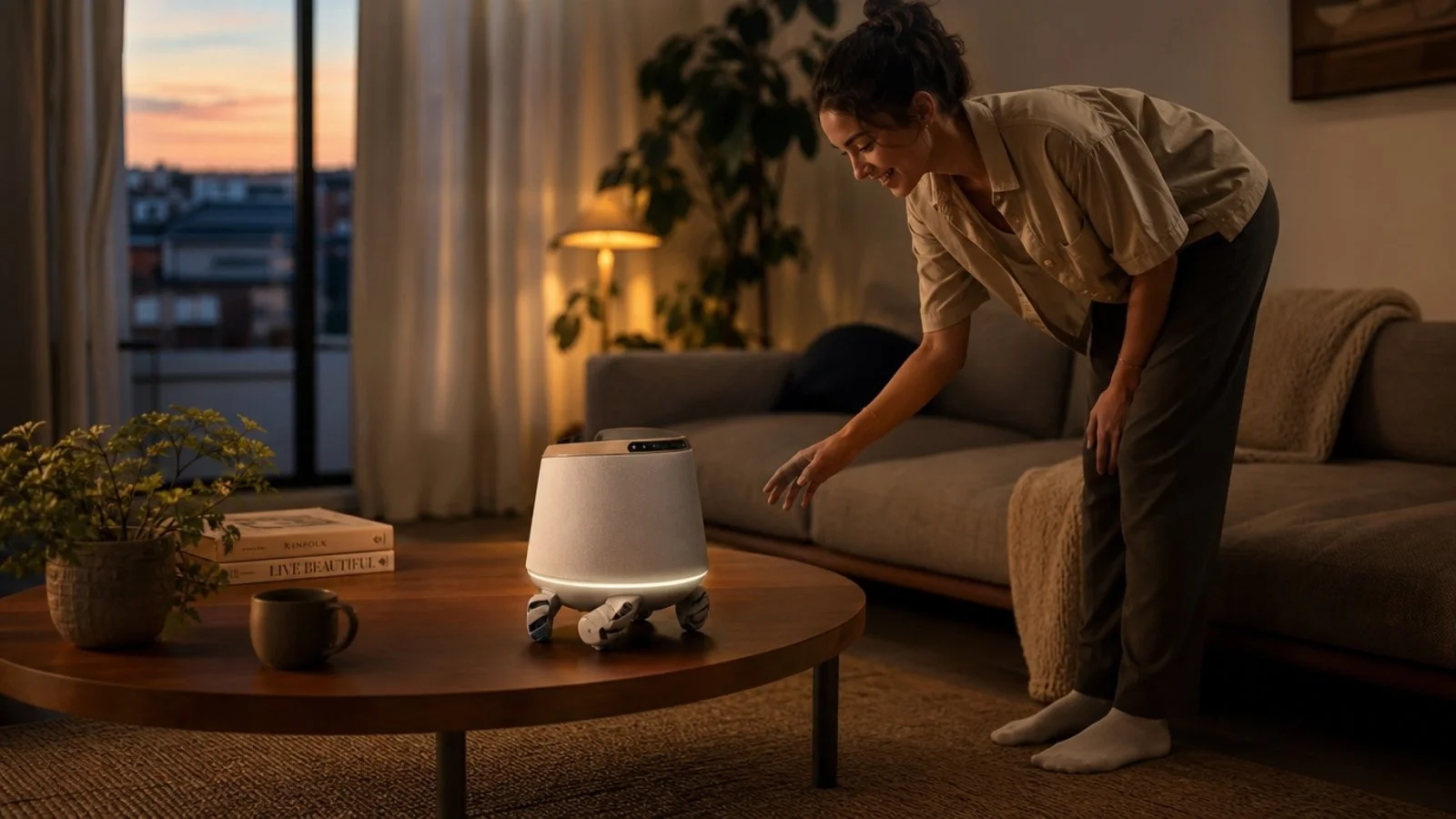
According to people with knowledge of the plans, the device will control smart-home gear, play media, answer questions, and handle messages. Crucially, it is being built to be carried room to room, enabled by a rechargeable battery.
The hardware will include a camera and other sensors to understand surroundings and context. Mechanical elements can move on their own to convey a sense of agency, aiming to shift the user experience from voice assistant to companion.
OpenAI plans to lean on a more advanced version of ChatGPT Voice Mode called GPT-Live, introduced this month. The upgraded mode is designed to listen and talk at the same time, adapt naturally in conversation, and process information quickly.
To help readers track what sets this concept apart from typical speakers, here are the core differentiators at a glance:
– Screenless design focused on voice and presence
– Mechanical movements to feel alive and responsive
– GPT-Live for overlapping, humanlike conversations
– Camera and sensors for spatial awareness
– Battery for easy movement around the home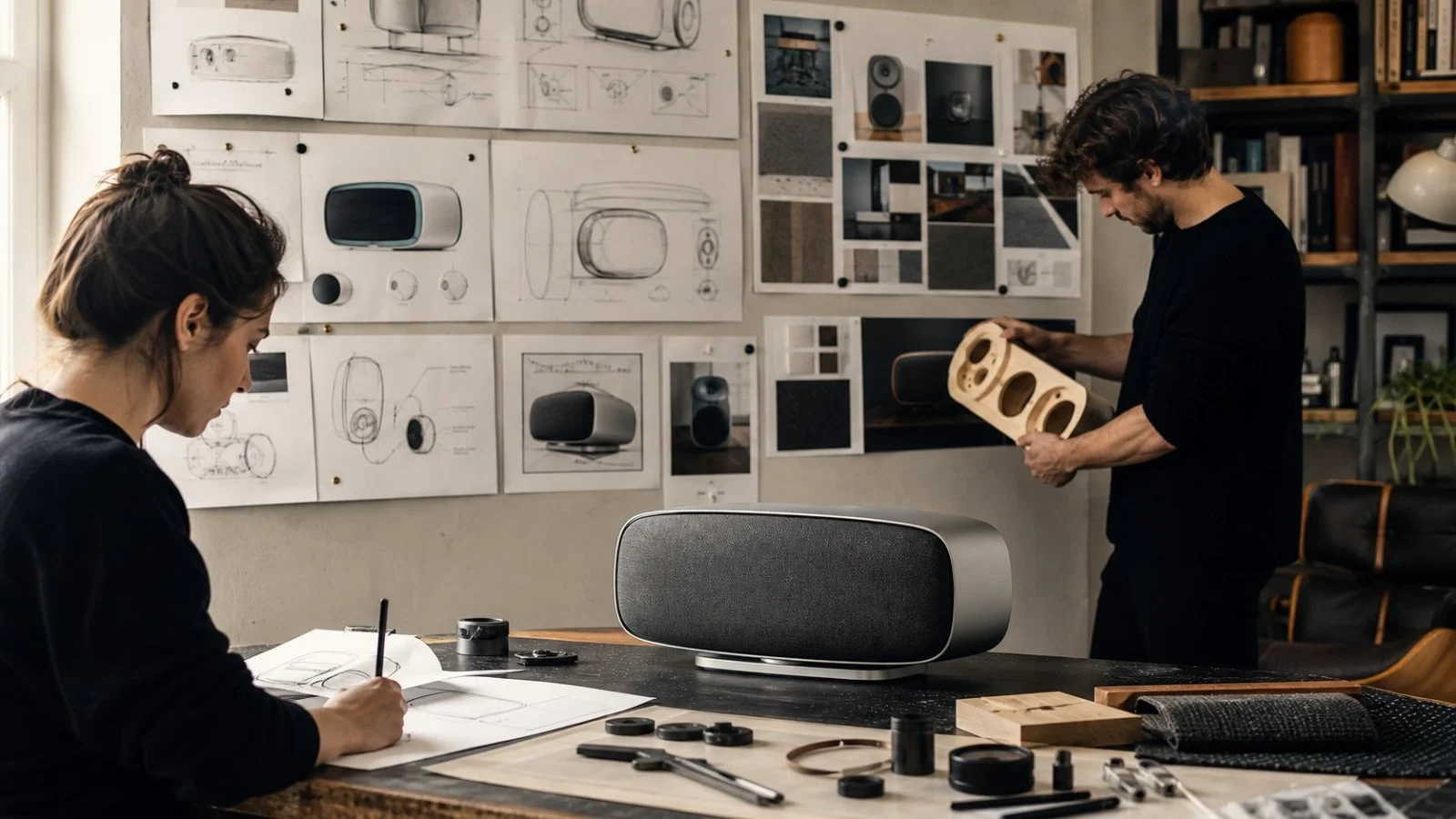
Personalisation and the privacy question
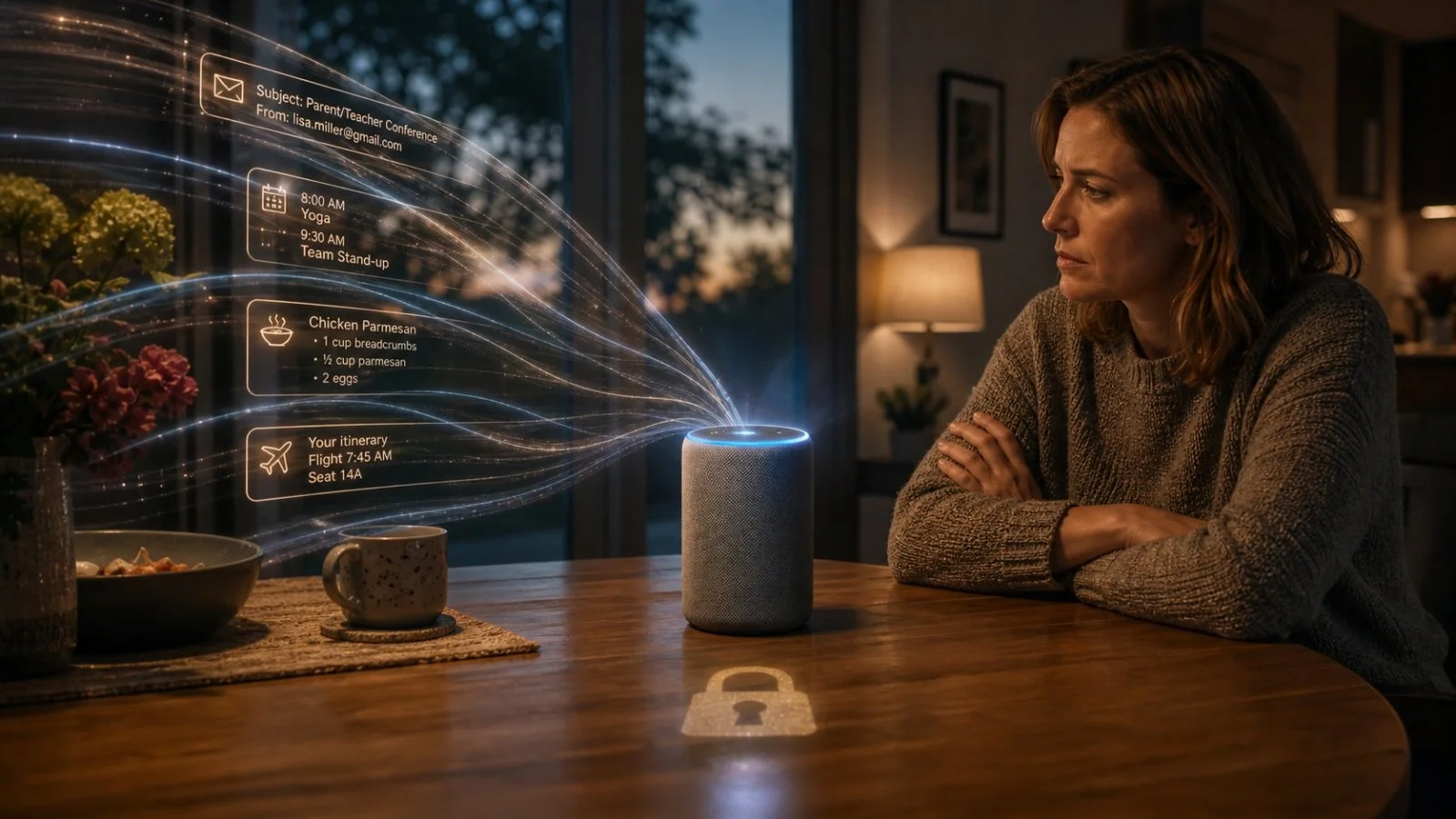
People familiar with the device say it will draw on personal information, including emails, to better understand its owner. That approach is central to its pitch: deeper context means more relevant help and less repetition.
OpenAI envisions the companion growing more useful the longer it stays in a home. The company believes this sustained, personalised performance will distinguish its hardware from existing smart speakers that primarily answer one-off prompts.
While exact plans may evolve through development, the intent is clear: make ChatGPT a tangible collaborator in daily routines, whether it is sorting chores in the laundry room or assisting with recipes in the kitchen.
Design lineage and a high-profile build team
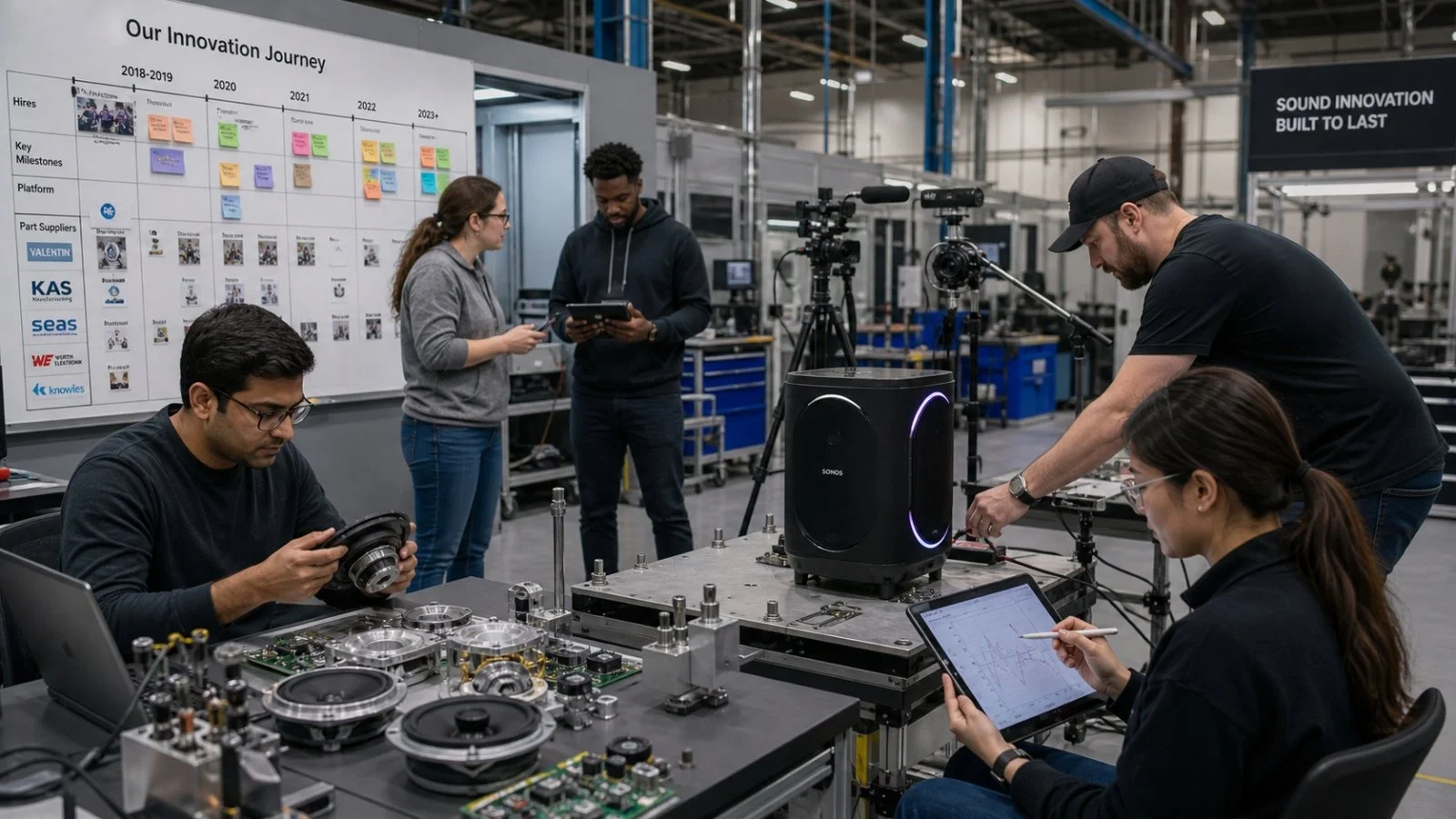
OpenAI spent $6.5 billion last year to acquire io Products, a startup co-founded by Jony Ive. Ive’s studio, LoveFrom, is working on the new lineup, alongside several former Apple designers and engineers credited on the iPhone and Mac.
Insiders say the LoveFrom team’s heritage in making technology feel personal is core to the product strategy. The speaker’s emotional appeal, not only its technical capability, is intended to drive adoption and differentiation.
Beyond the first device, the hardware division is working on roughly five different products. The plan is to lead with the speaker, then expand as the platform matures.
Legal crosscurrents could shape the rollout
Apple has sued OpenAI, accusing it of stealing trade secrets. In the complaint, Apple alleged confidential information was obtained by a former engineer before joining the AI company. Apple suggested discovery could reveal more details.
OpenAI denies wrongdoing and says it has no interest in other companies’ trade secrets. The company stated: ‘While we take these allegations seriously, we’re not aware of any evidence that this complaint has merit.’ It added that it believes ‘in fair competition and allowing people the freedom to work wherever they choose’ and is ‘focused on building innovative technology that empowers people everywhere.’
People close to OpenAI’s plans maintain the speaker differs substantially from Apple’s existing products. Apple is seeking an injunction on OpenAI’s hardware, a move that could delay sales. An OpenAI spokesperson declined to comment.
Leadership hires and internal capabilities
OpenAI Chief Hardware Officer Tang Tan, an io Products co-founder and previously head of iPhone product design, is leading the effort. People who worked with Tan say he is known for risk-taking, building strong teams, supplier relationships, and solving hard engineering problems.
OpenAI has hired more than 400 other people from Apple, according to the lawsuit. Evans Hankey, Apple’s former head of industrial design, is overseeing the speaker and future devices. Last month, OpenAI hired Paul Meade, a longtime Apple executive who led development of the Vision Pro and future smart glasses.
The company argues that the expertise of veterans from premium consumer hardware will help translate cutting-edge AI into approachable, everyday products.
A crowded field and a clear positioning play
OpenAI does not view Apple’s HomePod or HomePod mini as comparable. Insiders say the audio system and broader hardware approach are substantially different, anchored in an AI-native computing model rather than a traditional smart speaker template.
The speaker is intended to be mobile within the home but screen-free, betting that presence, voice, and motion can replace displays for most interactions. It can also remain plugged into a single room if a customer prefers.
As part of its broader ambition, OpenAI has explored a mobile AI device to replace the smartphone, wearables including a pendant, and home robotics. Those efforts signal a long-term ecosystem play around AI-first hardware.
Apple’s own AI home push
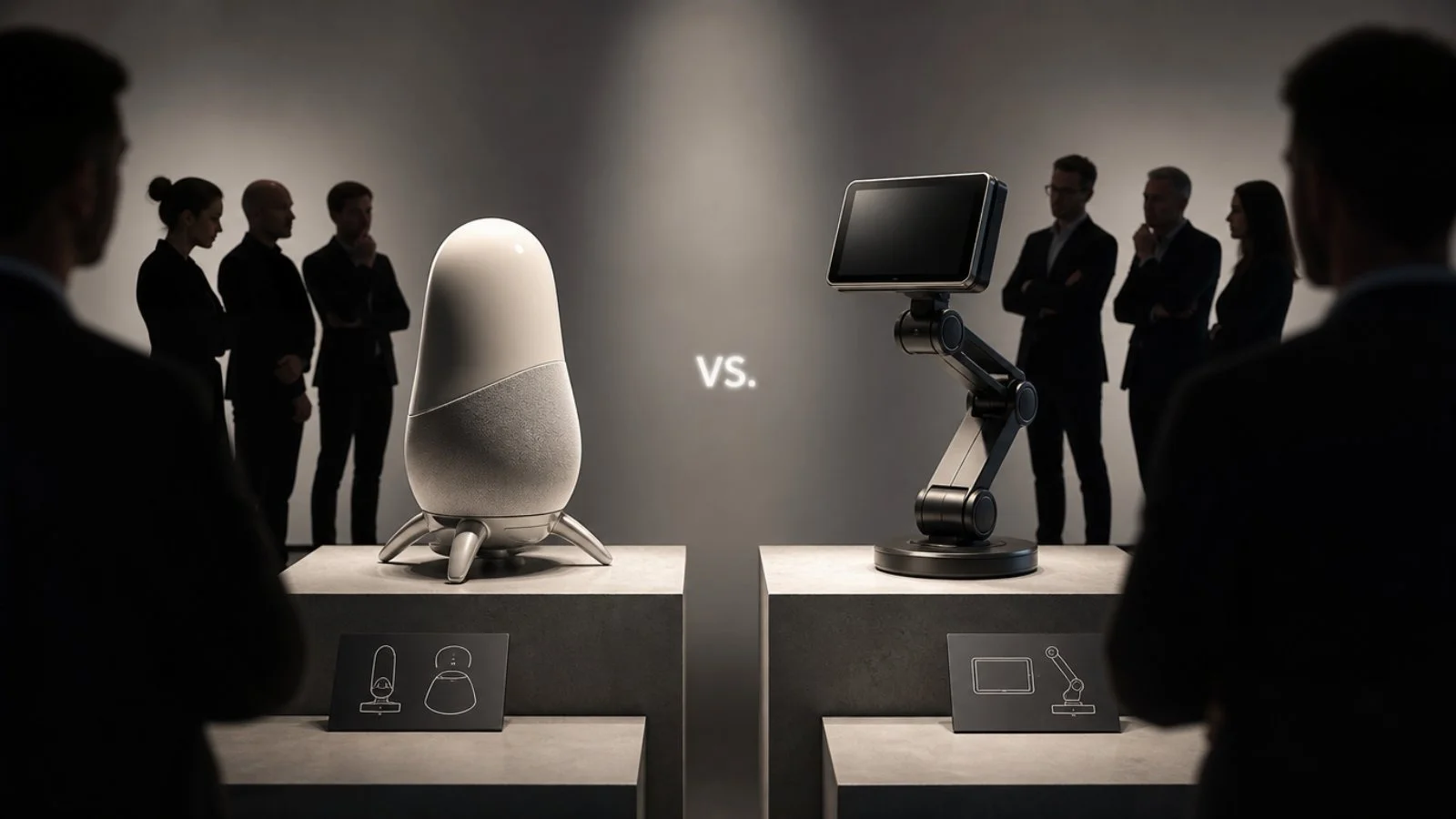
Apple is preparing its own family of AI-focused home devices, intensifying the rivalry. The first product, code-named J490, is a smart-home command center with a square 7-inch display, videoconferencing, and facial recognition, running a new operating system.
Apple is also working on a larger-screen version mounted on a robotic arm, allowing the display to reposition itself while responding to commands. A smart-home security system is in development as well.
These initiatives are designed to showcase the new Siri AI assistant planned for iOS 27, giving Apple a platform to marry services, hardware, and on-device intelligence.
Timing, risks, and what to watch
OpenAI is aiming to unveil the speaker this year and release it in 2027, though that timeline could shift based on legal outcomes. Hardware success will depend on whether the companion feels meaningfully different from voice assistants consumers already know.
For now, the stakes are clear: a screenless, moving speaker that grows with its owner is OpenAI’s bid to redefine the home computer. If the company delivers on personalisation and presence, it could redraw expectations for AI at home.
The next milestones to watch include the public unveiling, any court developments tied to Apple’s injunction request, and how rivals recalibrate as AI-first devices move from concept to reality.