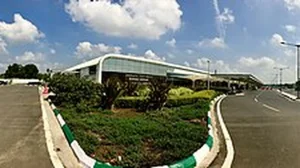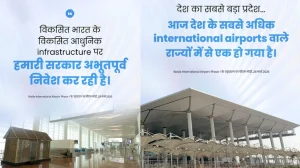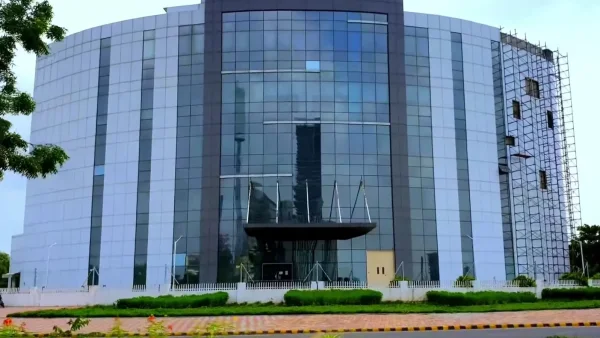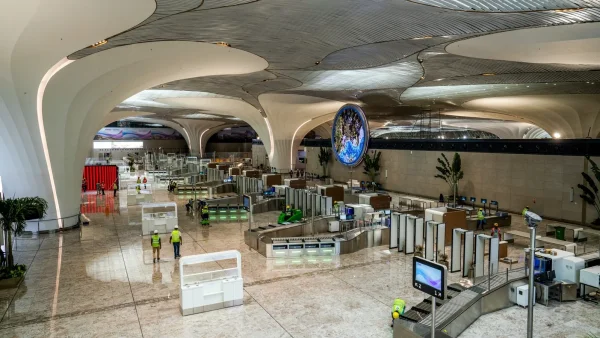
The core of this plan is Navi Mumbai International Airport, opening December 25th. The airport will have a new runway, more taxiways and will be built in stages with new terminal areas. These improvements are designed to reduce crowding in the Mumbai area and allow for long-term increases in both domestic and international flights.
Besides Navi Mumbai, significant improvements are planned for Ahmedabad, Jaipur, Lucknow, Guwahati and Thiruvananthapuram. These will likely involve new terminals, more space on the apron (where planes park), and improvements to the “airside” (runways and taxiways) to increase how many planes can take off and land and to make flights more on time.
About almost 70% of the money for this will be borrowed over the next five years, and the remaining 30% will come from the company’s own funds. This is a normal way to fund very large building projects like this, because airports are expected to continue to bring in money for a long time.
This whole plan is meant to coincide with how much air travel in India is expected to grow. The number of passengers is predicted to more than double to approximately 300 million each year by 2030. Adani is aiming to have their airports be able to handle about two-thirds of that predicted number, making their network a vital part of that growth.
This represents a more than 60% increase in the total amount of passengers all of their airports can handle. The improvements will happen in phases, so that as demand increases and the new facilities are completed, the system is more reliable and flexible.
The Group currently runs eight airports in India, and Navi Mumbai will be the ninth, located just outside Mumbai. Having more airports will spread out the traffic from the largest cities and faster growing regional cities, balancing the network and improving service.
Adani has said before they are considering listing their airport division as a public company around 2027. This new round of spending, and the airports becoming more established, could make it more attractive to investors to buy shares, showing how big the company is, how efficiently it operates and how clearly its profits are.
This airport expansion is connected to a larger plan for aviation which includes training and services. On November 27th, 2025, Adani Defence Systems & Technologies Ltd and Prime Aero Services LLP said they had reached agreements to buy FSTC for 820 crore rupees.
FSTC is the largest independent company in India offering flight training and flight simulators.
They have full-flight simulators, simulator centers and training planes in Gurugram and Hyderabad, for both civilian and military aviation. They expect to grow because over 1,500 new planes are planned to be added in the next few years.
Adani says that buying FSTC will allow them to provide a complete range of aviation services including maintenance for civilian planes, general aviation, maintenance for military planes, and full pilot training. Having all of these services in one place could solve the problem of not having enough pilots and make the airport network more reliable.
This investment could completely change India’s aviation industry. New, modern terminals and more space for planes to move on the ground should reduce delays, allow for more routes and improve the experience for passengers. Increasing capacity in the Mumbai area is particularly important for being able to have more long distance flights and to improve how much freight can be transported.
Getting the money to pay for this is the most important part of making it happen. Because they are borrowing so much, they need to complete the projects carefully, have stable growth in the number of passengers, and manage their money well. Interest rates, how the value of the Indian currency changes, and how long construction takes will all be important to keep an eye on as the projects progress.
Getting permission from regulators, buying the land needed, and getting environmental approval could all affect how quickly things are finished. Because the aviation industry is now focusing on being environmentally friendly, the new buildings will likely use energy efficiently, renewable energy, conserve water and be designed in a smart way to meet environmental, social and governance (ESG) standards.
As the improvements are completed, passengers should notice improvements in how long they wait in line, how their baggage is handled, and the overall experience in the terminal. Airport operators will also try to use more digital systems, improve connections to other forms of transport and make it easier for passengers to change planes for international flights.
Investors should pay attention to the successful opening of Navi Mumbai, when the other five airports will be finished, when the money for the major construction will be secured, how the number of passengers changes in the major cities and regional areas, and how close they are to listing the airport division as a public company.
Adani Group plans to invest $15 billion to expand airport business by 2030
In short, Adani’s $15 billion investment in airports is a major and risky bet on the future of aviation in India. If the work is done on time and within budget, it could set a new standard for airport facilities, increase the total capacity to 200 million passengers a year, and change how competitive the industry is by 2030 and beyond.