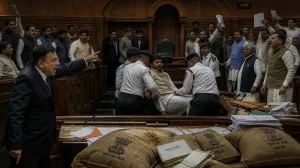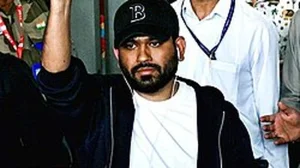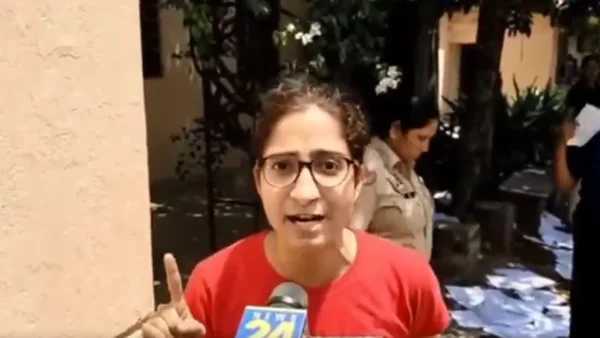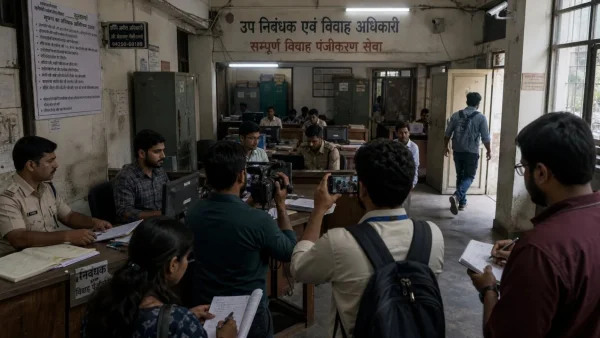
A controversy has erupted at a registrar’s office in Gwalior after journalists reportedly entered the premises to investigate a complaint and allegedly found private individuals operating computers and carrying out work inside the government office.
According to reports published on August 12, 2026, the journalists began recording the activities after noticing people who were allegedly not government employees performing official-looking work. The incident subsequently escalated into an argument and confrontation. (Navbharat Live)
The episode has raised an uncomfortable question:
Who is actually authorised to perform government work inside a government office?
Journalists Begin Recording; Tension Follows
According to the reported account, the journalists had gone to the registrar’s office in connection with a complainant’s grievance.
During their interaction, they reportedly noticed several private individuals working on computers inside the office.
When the journalists began filming, the situation allegedly became tense.
Reports say that some employees and private individuals objected to the recording and attempted to stop the journalists from filming. The confrontation reportedly resulted in heated exchanges and allegations of misbehaviour.
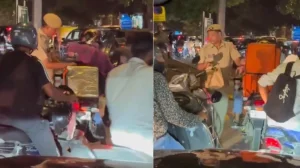
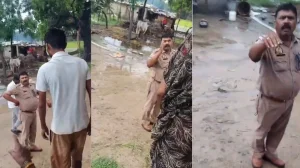
A video circulating on social media appears to show the controversy unfolding inside the office, although the complete circumstances surrounding the footage require independent verification.
The Bigger Question: Why Were Private Individuals Doing Government Work?
The central allegation is not simply about the argument with journalists.
It concerns the reported presence of private workers performing computer-based work in a government registrar’s office.
If individuals who are not government employees were actually handling official registration work, the matter could raise serious questions concerning:
Access to government computer systems
Handling of citizens’ personal information
Access to property and registration documents
Data security
Accountability for mistakes
Possible unauthorised interference in official processes
However, it is important to distinguish an allegation from an established fact.
The authorities would need to identify these individuals, establish their employment status and determine exactly what work they were authorised to perform. Private contractors or outsourced personnel can sometimes legitimately perform support functions in government offices. Therefore, simply being a private individual inside a government office does not by itself establish wrongdoing.
The “Running Away” Moment Raises More Questions
The viral narrative claims that once the journalist entered and started recording, people operating the computers began leaving the premises.
That visual has fuelled suspicion online.
But the footage alone cannot establish why the individuals left or whether they were attempting to conceal illegal activity.
That is precisely why a formal inquiry would be important.
Authorities should determine:
Who were the people operating the computers?
Were they employees, contractual workers, agents or unauthorised individuals?
What systems were they accessing?
Who authorised them to use those systems?
Were government records or citizens’ personal information accessible to them?
The Controversy Didn’t End Inside the Office
According to subsequent reports, the dispute continued after the journalists left the registrar’s office.
The journalists reportedly approached the University police station seeking action, and later went to the Superintendent of Police’s office. An Additional SP subsequently directed the concerned police station to investigate the allegations and take action according to law.
A separate local report also says that a journalists’ organisation submitted a memorandum seeking action following the incident.
This means the episode has now moved beyond a viral video and into the territory of an official inquiry.
Why Registrar Offices Require Extra Scrutiny
Registrar offices deal with some of the most sensitive transactions undertaken by citizens.
Property registration can involve:
Land ownership
Sale and purchase agreements
Identity documents
Financial transactions
Stamp duty
Registration fees
Digital records
Personal information
Any unauthorised access to such systems could potentially have serious consequences.
That is why the distinction between government employees, authorised contractual personnel and unauthorised private agents needs to be absolutely clear.
The Gwalior Incident Also Comes Amid Other Registration Controversies
Gwalior’s registration administration has faced scrutiny in other recent cases as well.
Earlier in August, the district administration reportedly issued show-cause notices to two sub-registrars after registrations were allegedly carried out involving government land that was under a High Court stay. The matter was subsequently taken up for investigation. (Public)
That separate episode does not establish any connection with the latest controversy, but it demonstrates why transparency and oversight in property-registration offices are particularly important.
Journalistic Access vs. Government Office Rules
There is also another side to the dispute.
Government offices can have legitimate restrictions on filming, particularly where sensitive personal information or official records are visible on computer screens.
Journalists therefore cannot automatically assume that every part of a government office can be filmed without restriction.
But if officials object to recording, the appropriate response should be clear, lawful and transparent, rather than allowing a confrontation to escalate.
The key issue should remain the alleged irregularity itself.
What Should the Investigation Establish?
A credible inquiry should answer several straightforward questions:
Who were the private individuals seen working on computers?
Were they officially authorised or contracted?
What duties were they performing?
Did they have access to government databases?
Were citizens’ documents or personal information exposed?
Who supervised their work?
Were any registration-related activities performed by unauthorised persons?
Did officials attempt to prevent journalists from documenting a legitimate public-interest issue?
Was any misconduct committed during the confrontation?
If wrongdoing is established, responsibility should be fixed on the appropriate individuals rather than allowing the matter to disappear after the viral video loses public attention.
A Viral Video Is Not a Verdict
The images coming out of Gwalior are certainly striking, but they should not substitute for an investigation.
The allegation that “government posts were occupied by private boys” needs documentary verification.
At the same time, the authorities cannot simply dismiss the issue because it emerged through social media.
If private individuals were genuinely performing unauthorised government work, citizens deserve to know who permitted it and why.
And if they were legitimate outsourced workers, the government should be able to explain their status and responsibilities clearly.
The Real Issue Is Accountability
A government office exists to serve citizens—not to operate behind an opaque system where nobody knows who is actually handling official work.
The Gwalior controversy therefore presents a simple test for the administration:
Identify the people. Verify their authority. Audit the systems they accessed. Investigate the confrontation. And make the findings public. Until that happens, the viral footage will continue to raise more questions than answers.
Because the real scandal, if the allegations are proven, would not be that people ran when a camera appeared. It would be that citizens had to ask who was actually running the government office in the first place.