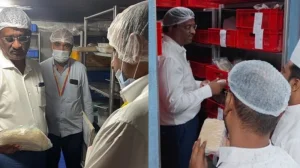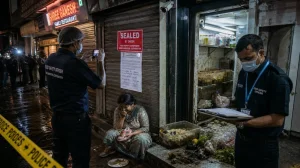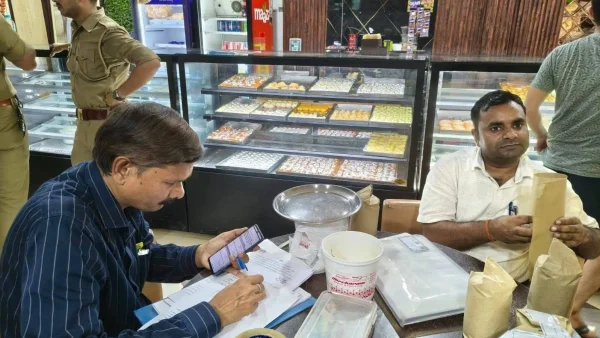
A food-safety inspection at Mircha Ram Sweets, a well-known sweets and snacks establishment in Hardoi, has raised serious concerns over hygiene and food-handling practices.
The inspection was conducted by a team from the Food Safety and Drug Administration Department along with police personnel as part of an ongoing campaign against adulteration and unsafe food practices in the district.
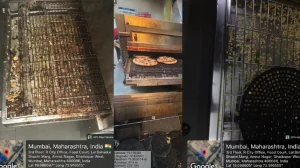
According to the department and multiple local reports, inspectors found severe cleanliness and food-safety deficiencies inside the establishment, including the reported presence of rats inside a refrigerator, black fungal growth at several locations, food ingredients stored in unhygienic conditions and stagnant dirty water on parts of the floor.
Following the inspection, authorities ordered the establishment’s operations to be stopped immediately and issued a notice to the operator.
Rats Reportedly Found Inside Refrigerator
The most alarming finding reported by the inspection team was the alleged presence of rats inside a refrigerator at the establishment.
According to officials quoted in local reports, the refrigerator also had areas showing black fungal growth.
The inspection team reportedly found raw materials stored in dirty surroundings, while the kitchen was also found to have significant sanitation deficiencies. Food items that had already been prepared were reportedly being kept in the open, raising concerns about possible exposure to insects, dust and other contaminants.
The authorities have not yet established through laboratory testing that customers consumed contaminated food from the outlet. The inspection findings concern the conditions observed at the premises.
Dirty Water Found on the Floor
Officials also reported finding dirty water accumulated at several places on the floor of the establishment.
The condition of the kitchen and storage areas was described by the department as seriously deficient.
Raw materials were reportedly stored in an unorganised manner amid unhygienic conditions.
Such conditions can increase the risk of food contamination, particularly in establishments handling milk products, sweets and other perishable foods.
Synthetic Colour Use Also Under Scrutiny
The inspection team also reported the use of synthetic colours in sweets and other food products.
However, the mere presence of a synthetic food colour does not by itself establish that it was illegal or unsafe. The legality and safety of a particular colour depend on the substance used, its permitted food category and the concentration.
That is why laboratory testing of the collected samples will be important in determining whether any food-safety standards were actually violated.
Five Food Samples Sent to Laboratory
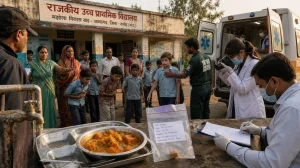
To establish the quality and safety of the products, the Food Safety Department collected five samples from the establishment.
The samples included:
Rasmalai
Rajbhog
Chamcham
Paneer
Khoya
The samples were sealed and sent to a government laboratory for analysis. Authorities have said that further legal action will depend, in part, on the laboratory findings.
This distinction is important: the inspection findings and the laboratory results are separate stages of the enforcement process.
If the laboratory detects prohibited adulterants, unsafe substances or violations of prescribed standards, additional proceedings can follow under food-safety law.
Establishment Ordered to Stop Operations
In view of what officials described as serious hygiene deficiencies and risks to public health, the Food Safety Department ordered the establishment’s business operations to be stopped immediately.
A notice was also issued to the establishment’s operator, with instructions to rectify the deficiencies.
Local reports state that the outlet will not be permitted to resume operations until the required shortcomings are addressed and the applicable food-safety conditions are met.
The action has been taken under the framework of the Food Safety and Standards Act, 2006, its associated regulations and prescribed hygiene requirements, including Schedule 4 requirements concerning food businesses.
Who Conducted the Inspection?
Reports identify Food Safety Officer Shailendra Srivastava as part of the inspection team.
Officials Gyan Prakash Singh Patel and Kumar Chitrasen were also reported to have participated in the operation.
The inspection was carried out under directions from the Food Safety and Drug Administration authorities and the Hardoi district administration, as part of a wider campaign against food adulteration and unsafe food practices.
Why the Action Matters
For a sweets shop, hygiene is particularly important because many products contain milk, khoya, paneer, cream and other perishable ingredients.
Poor refrigeration, pest infestation, contaminated surfaces or improper storage can potentially create food-safety risks.
The alleged presence of rodents inside a refrigerator is therefore particularly serious from a sanitation perspective.
But the ultimate question of whether specific products were contaminated or adulterated will depend on the laboratory reports.
Until those reports are available, it would be premature to declare every product sold by the establishment unsafe.
A Larger Food-Safety Campaign in Hardoi
The raid comes amid a broader food-safety enforcement campaign in Hardoi.
Authorities have recently carried out inspections of other sweet shops and food-production facilities in the district, with actions including collection of samples, destruction of suspected contaminated products and closure of establishments where serious deficiencies were found.
The campaign has intensified ahead of the festive season, when demand for sweets traditionally rises and concerns over adulteration receive increased attention.
What Happens Next?
The immediate next step is the laboratory analysis of the five samples.
The authorities are expected to determine:
Whether the samples comply with prescribed food-safety standards;
Whether prohibited or excessive colours were used;
Whether the milk products meet applicable quality requirements;
Whether any adulterants or contaminants are detected; and
Whether additional prosecution or penalties are warranted.
The establishment must also address the sanitation deficiencies identified during the inspection before operations can resume.
A Warning for Food Businesses
The action sends a clear message to food businesses across Hardoi: brand reputation cannot substitute for hygiene and regulatory compliance.
A shop may have served customers for decades and enjoy substantial public trust, but food-safety standards still have to be maintained every day.
The responsibility extends from the cleanliness of the kitchen and storage areas to pest control, refrigeration, ingredient handling, preparation, packaging and final presentation.
The Bigger Question: Can Consumers Trust What They Eat?
The incident has naturally caused concern among customers who have purchased sweets from the establishment.
But the most responsible way forward is to wait for the laboratory results rather than treating every allegation as a confirmed finding.
The inspection has established that authorities found serious sanitation deficiencies, according to the department’s account, and that the business has been ordered to stop operations.
The laboratory results will determine whether the sampled food products also violated specific safety or quality standards.
For now, the message from Hardoi’s food-safety authorities is clear: cleanliness is not optional, and food businesses that fail to meet basic hygiene requirements can face immediate enforcement action. The next question is equally important:
What will the laboratory reports reveal about the five samples—and will further legal action follow?